TL;DR

Get health and wellness essentials delivered free with Prime
- Fast, free delivery on millions of items
- Prime Video, Amazon Music and more included
- Member-only deals all year
Kisi is promoting connected access technology that links fitness memberships, purchases and reservations to facility entry. The company says automation can help gyms offer paid amenities, self-service entry and longer hours while reducing routine staff tasks; the source does not provide independent results or financial data.
Kisi says its connected access technology can link fitness members’ plans, purchases and reservations to entry permissions, allowing gyms to manage premium amenities, self-service visits and extended access with fewer manual checks. The company’s account, published by Athletech News, outlines an operational approach for adding services to existing facilities; it does not include independent evidence of increased revenue or reduced staffing costs.
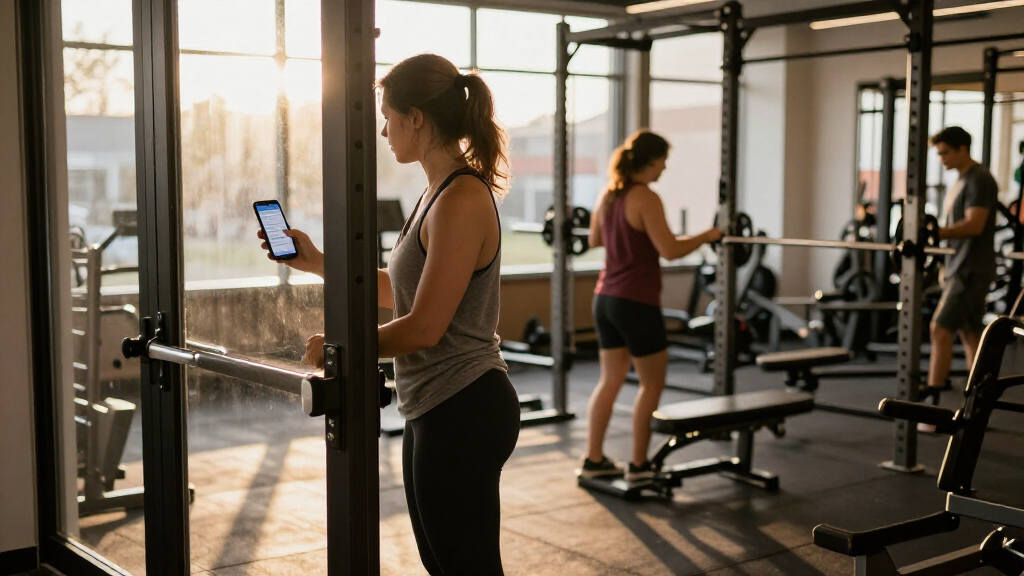
The system integrates access control with fitness-management and booking platforms, according to Kisi. When a member books a class, purchases a service or joins a membership, the connected platforms can update their access rights. Kisi says this can reduce the need for employees to verify bookings, issue separate credentials or coordinate information between systems.
For paid amenities such as recovery rooms, saunas and specialized training areas, operators can set entry permissions based on membership tiers or individual purchases. Kisi also describes its Kiosk Pro as a way for members to buy or upgrade access at the facility. That could let a customer purchase entry when they arrive at a premium space, though the report does not provide sales figures or evidence of how often that feature leads to an upgrade.
The company gives other examples of automated entry: a day-pass buyer could receive a QR code after purchasing online, and access readers or kiosks could record class attendance. Kisi also describes combining access control with video-based tailgating detection to help identify unauthorized entry. The source does not detail how this technology is configured, how incidents are handled or what support is available when a member encounters a problem after hours.
More Services Without More Check-Ins
For gym operators, the approach could make it easier to add bookable or paid services without requiring staff to check every reservation or manually grant every permission. The potential business value is in making existing spaces available to more kinds of customers and organizing access to services that carry an extra charge. Automation may reduce routine administrative steps, but the source offers no quantified measure of labor savings, revenue growth or operating costs.
Members could benefit from fewer stops at a front desk and a shorter path from booking a service to using it. Self-service access and longer opening hours may also suit people whose schedules do not match staffed hours. Those benefits depend on reliable entry systems, clear booking and payment rules, and a way to get help when access fails. The source describes the intended advantages, not customer research or performance results.
Extending access also changes the demands on facility operators. A space without staff present still needs ways to manage unauthorized entry and respond to members who cannot get in. The technology may support those tasks, but it does not remove the need for operational policies, safety planning or member support.
Products Worth Considering

Philips Sonicare 6500 Series Rechargeable Electric Toothbrush with 2 Brush Heads, White

Therabody Theragun Relief Massage Gun, 3-Speed, Black

LEVOIT Vital Pet Smart Air Purifier
As an affiliate, we earn on qualifying purchases.
Connecting Purchases to Entry
Fitness businesses have been adding options beyond standard memberships, including premium recovery spaces, specialized training and bookable services. Each option can introduce more administrative work: staff may need to confirm who paid, check a reservation, issue access and record attendance. Kisi’s pitch is that linking business software to door permissions can connect those steps.
In the Athletech News report, Kisi CEO and co-founder Max Schuetz argues that operators should treat access as part of the member experience rather than only as a security measure. The report presents the company’s products and examples of how they could be used. It is not an independent evaluation comparing gyms that use automated access with those that do not.
“The operators getting this right are the ones who think about access as part of the entire customer journey, rather than just a security feature.”
— Max Schuetz, Kisi CEO and co-founder
Results and After-Hours Support
The report does not state how many fitness facilities use the described systems or provide independent data on revenue, staffing, attendance or member satisfaction. It also does not quantify the costs of adopting and maintaining the technology, or compare those costs with any savings.
Details of after-hours operations remain limited. The source mentions tailgating detection and raises the issue of members facing access problems outside staffed hours, but the provided material does not explain what support response is available, how access failures are resolved, or what safeguards apply when a facility is unstaffed. Those details matter to operators weighing expanded hours and to members relying on self-service entry.
What Operators Must Evaluate
The report does not announce a new product launch, rollout date or upcoming industry milestone. For operators considering this model, the next step would be to assess whether their membership, booking and payment platforms can connect to access controls, and to determine which services or hours they want to make available.
Any implementation would also require clear rules for paid access, a plan for equipment or credential failures, and procedures for handling unauthorized entry and member support when staff are absent. Whether automation delivers measurable business gains will depend on adoption, system reliability and the costs of running the service; the source provides no timeline or outcome data to settle those questions.
Key Questions
What does automated access mean for a gym?
It means connecting access-control systems with membership, booking or payment platforms so that a purchase, membership or reservation can determine entry permissions, rather than requiring staff to update access manually.
Can members buy access to premium amenities at the facility?
Kisi says its Kiosk Pro can let members purchase or upgrade access on the spot. The report does not provide sales data showing how often members use that option.
Does the report show that automated access increases gym revenue?
No. It describes ways the technology could support paid amenities and additional services, but provides no independent or quantified revenue results.
How could automated access support longer opening hours?
Members could use access credentials to enter during early-morning, late-night or other unstaffed periods. Kisi says its technology can help identify tailgating, but the source does not explain the full after-hours support and safety procedures.
Source: athletechnews.com