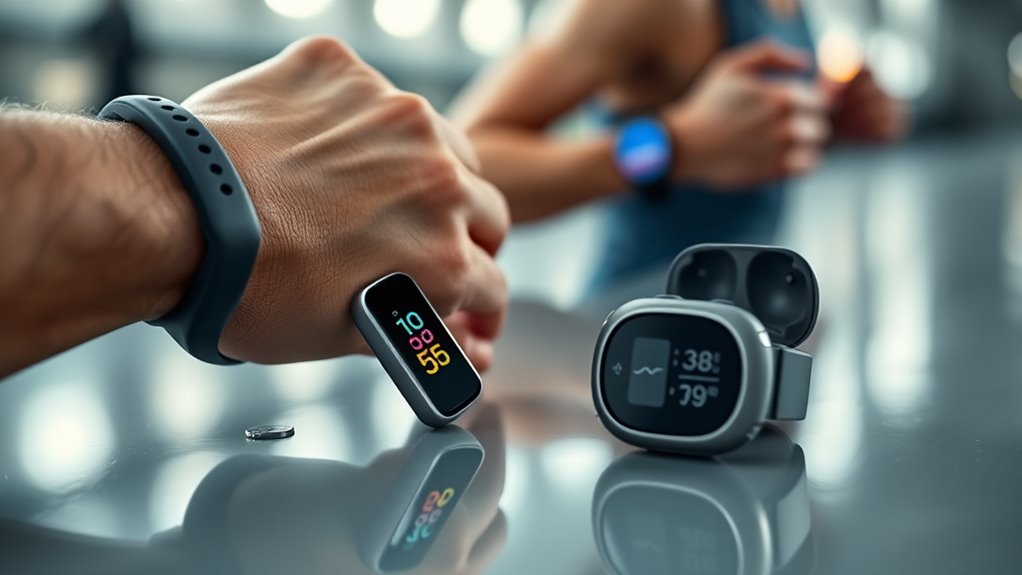

Wearable technology helps you track your fitness journey by providing real-time data on your sleep, heart rate, and activity levels. These devices monitor how well you sleep, your heart’s health, and your physical responses during exercise. They give you actionable insights to improve your routines and reach your wellness goals. By understanding your body’s signals better, you can make smarter choices for a healthier lifestyle. Keep exploring how these tools can enhance your fitness adventure.
Key Takeaways
- Wearables provide real-time data on sleep patterns and heart rate, essential for understanding your fitness progress.
- Monitoring sleep quality and heart rate helps optimize workout plans and recovery strategies.
- Devices track activity levels, calories burned, and exercise intensity to support goal achievement.
- Environmental sensors like air quality monitors promote healthier living environments.
- Data from wearables enables proactive health management and personalized adjustments for better wellness outcomes.
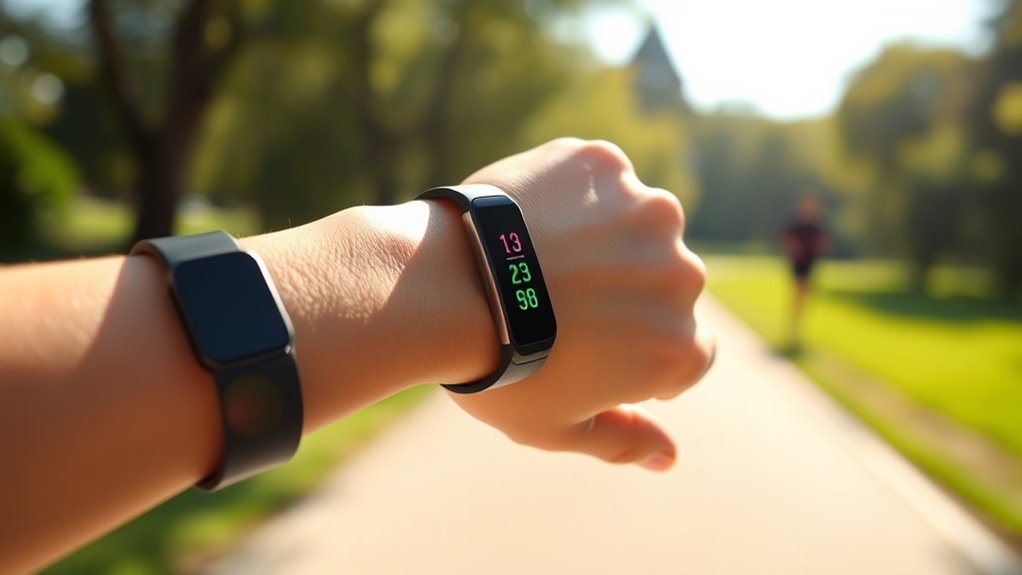
Have you ever wondered how wearable technology is transforming the way you monitor your health, stay connected, and improve your daily routines? These devices have become more than just gadgets; they’re powerful tools that give you real-time insights into your body’s functions and help you make smarter choices. One of the key features that many wearables now offer is sleep tracking. This function allows you to understand your sleep patterns by monitoring how long you sleep, how often you wake up during the night, and the quality of your sleep cycles. When you wear a fitness tracker or smartwatch overnight, it records your movements and heart rate to estimate your sleep stages, giving you a clearer picture of whether you’re getting enough restorative sleep. With this information, you can identify habits that disrupt your rest and make adjustments, like winding down earlier or reducing screen time before bed. Over time, sleep tracking can help you develop a routine that promotes better sleep hygiene, leading to more energy and improved mood during the day. Regular filter changes are essential for maintaining optimal air quality, ensuring your device continues to effectively remove pollutants and allergens from your environment.
Heart rate monitoring is another crucial aspect of wearable technology that keeps you connected to your body’s needs. Throughout your day, your device continuously tracks your heart rate, providing insights into your cardiovascular health and stress levels. Whether you’re working out, resting, or simply going about your daily activities, heart rate data helps you understand how your body responds to different stimuli. For instance, during exercise, it shows whether you’re working within your target zone, maximizing your workout efficiency. When you’re at rest, it can reveal patterns that might signal stress or health concerns, prompting you to consult a healthcare professional if needed. Many wearables also offer heart rate variability tracking, which can indicate how well your body adapts to stress and recovery. The ability to view your heart rate data in real-time empowers you to tailor your workouts, manage stress more effectively, and track your overall fitness progress. It’s like having a personal health coach on your wrist, guiding you to optimize your routines and stay proactive about your well-being.
In essence, sleep tracking and heart rate monitoring are two of the most critical features that wearable technology offers to support your fitness journey. They turn passive devices into active tools that keep you informed and motivated. By understanding how well you sleep and how your heart responds to daily activities, you gain valuable insights that help you make smarter health choices. Whether you’re aiming to improve your sleep quality or push your limits during exercise, these features give you the data you need to stay on track. Wearable technology isn’t just about tracking; it’s about transforming how you care for your body and achieve your wellness goals. Incorporating air quality monitoring into your routine can further enhance your overall health by providing insights into your environment and helping you create healthier living spaces.

Fitness Trackers Smart Wristband With Hidden Screen(Wrist-Raise Screen Activation)Activity & Sleep Tracker with Heart Rate/HRV/Blood Oxygen, Vibration Alerts, Free APP (Black, Universal Size)
【24/7 Multi-Dimensional Health Real-Time Monitoring】 Equipped with advanced sensors and intelligent algorithms, it delivers non-stop active detection of…
As an affiliate, we earn on qualifying purchases.
As an affiliate, we earn on qualifying purchases.
Frequently Asked Questions
How Accurate Are Wearable Devices in Measuring Calorie Burn?
Wearable devices are generally fairly accurate for calorie measurement, but they aren’t perfect. Your device uses activity tracking data like heart rate, steps, and movement to estimate calories burned, so factors like exercise intensity and individual differences can affect accuracy. While they give a good overall picture, don’t rely solely on them for precise calorie counts. Use them as tools to monitor trends and stay motivated in your fitness journey.
Can Wearable Tech Track Sleep Quality Effectively?
Yes, wearable tech can track sleep quality effectively through sleep tracking features. You’ll get insights into your sleep duration, cycles, and disruptions, helping you understand your sleep patterns better. These devices use sensors to monitor movements and heart rate, providing real-time data. While not perfect, they offer a convenient way to improve your sleep habits over time, guiding you toward healthier sleep routines.
Are There Any Health Risks Associated With Wearing Fitness Devices?
Wearing fitness devices is like walking a tightrope—there are benefits, but risks exist. You might experience skin irritation or privacy concerns if your data gets hacked. For example, I once knew someone whose wearable caused skin redness after prolonged use. While most devices are safe, it’s wise to monitor skin reactions and secure your data, so you enjoy tracking your fitness without unintended harm or privacy breaches.
How Long Does the Battery Last on Average?
On average, your wearable device’s battery life lasts about 4 to 7 days, depending on usage. You’ll need to charge it roughly once a week, which means checking its battery life regularly. Higher activity levels or frequent GPS use can shorten the charging frequency, so keep an eye on battery life to make certain your device stays powered and continues tracking your fitness accurately.
Do Wearable Devices Require Frequent Software Updates?
Like tuning a car for peak performance, your wearable device needs regular software updates to stay compatible and secure. You’ll find these updates essential for device compatibility, fixing bugs, and adding features. While updates aren’t needed daily, checking for them every few weeks guarantees your device functions smoothly and stays current with the latest technology. Skipping updates can lead to glitches, so stay proactive to maximize your fitness tracking experience.

Fitness Tracker with Heart Rate/Blood Oxygen/Sleep Monitor, 20+ Sports Modes Smart Watches for Women/Men, Activity & Step Tracker Smart Watch for Android/iOS Phones (Dark Black)
【24/7 Heart Rate Monitor 】This blood pressure watch supports real-time dynamic heart rate, blood oxygen, blood pressure ,Sleep…
As an affiliate, we earn on qualifying purchases.
As an affiliate, we earn on qualifying purchases.
Conclusion
Embracing wearable technology transforms your fitness journey into a finely tuned orchestra, where every note counts. These devices act as your trusted compass, guiding you through each step, stride, and heartbeat. As you wear them daily, they become more than gadgets—they’re your personal co-pilots steering you toward health and success. With each data point, you’re composing a masterpiece of progress, turning your goals into a symphony of achievement that echoes long after you finish.

LIVIKEY Fitness Tracker Watch with Heart Rate Monitor, Activity Tracker with Pedometer, Sleep Monitor, Calories & Step Counter, IP68 Waterproof Smart Watches for Women Men Fitness Watch for Sports
Heart Rate and Sleep Monitoring: The Fitness Tracker monitors your heart rate automatically all day, and you can…
As an affiliate, we earn on qualifying purchases.
As an affiliate, we earn on qualifying purchases.
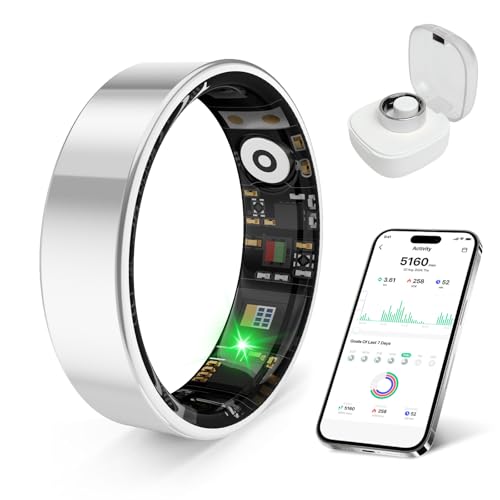
prxxhri Smart Health Ring, Featuring Stress and Sleep Monitoring Functions, Compatible with iOS and Android,Waterproof Fitness Tracker for Women & Men, No Subscription Fee. (Silver, 10)
【Check the Size Before Purchase】 Before buying the prxxhri Smart Ring, we strongly suggest that you refer to…
As an affiliate, we earn on qualifying purchases.
As an affiliate, we earn on qualifying purchases.