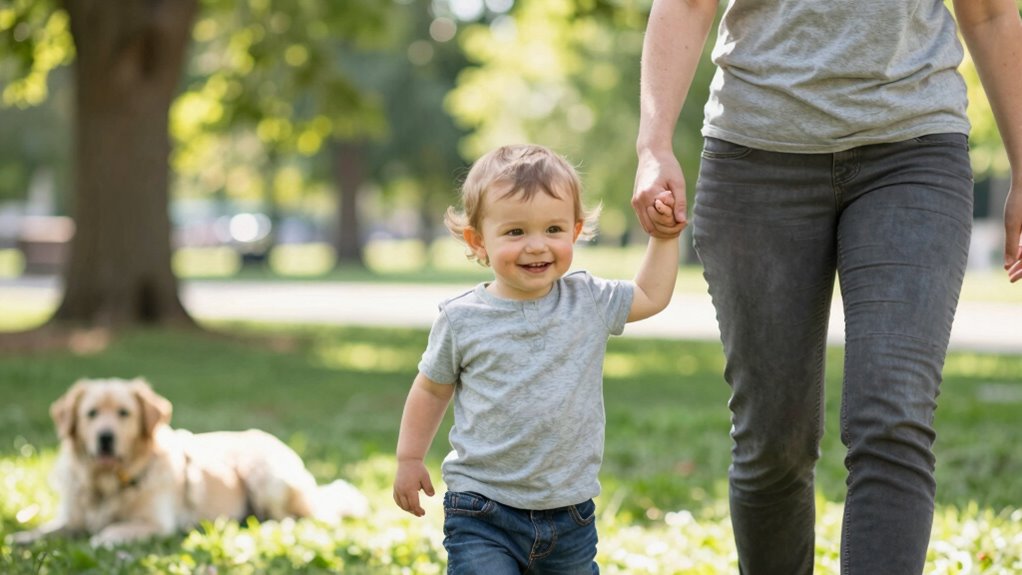

If you have secure attachment, your daily behavior shows trust and openness. You’re comfortable sharing your feelings and listening without judgment, which deepens relationships. You handle conflicts calmly and focus on solutions, showing emotional stability. You’re confident and independent but also genuinely present with others. You maintain emotional regulation, staying grounded in stressful moments. Your consistent reliability encourages others to feel safe and understood. Keep exploring to discover more about how these behaviors shape strong, secure bonds.

Get health and wellness essentials delivered free with Prime
- Fast, free delivery on millions of items
- Prime Video, Amazon Music and more included
- Member-only deals all year
Key Takeaways
- Consistently shares feelings and listens without judgment, fostering trust and emotional closeness.
- Approaches conflicts calmly, seeking solutions and maintaining emotional stability.
- Enjoys independence and solitude without anxiety, balancing closeness and self-reliance.
- Recognizes and regulates emotions effectively, staying grounded during stressful situations.
- Builds trusting relationships through reliability, empathy, and encouraging authentic self-expression.

Have you ever wondered how secure attachment influences your everyday interactions? When you’re securely attached, you tend to display behaviors that foster trust and connection with others. One key aspect is emotional availability—you’re more open to sharing your feelings and listening to others without fear of judgment or rejection. This openness helps deepen your relationships because you’re genuinely present and responsive, making others feel safe and understood. You don’t shy away from expressing vulnerability; instead, you see it as a way to strengthen bonds, which encourages others to do the same. This emotional availability creates a foundation of trust, making your interactions more genuine and meaningful.
In social situations, your approach to conflict resolution reflects your secure attachment. Instead of reacting defensively or withdrawing, you’re more likely to engage calmly and constructively when disagreements arise. You understand that conflicts are natural and manageable, so you focus on finding solutions rather than assigning blame. You listen actively, seeking to understand the other person’s perspective, which often leads to more effective and respectful conversations. Your ability to stay composed during disagreements not only helps resolve conflicts more efficiently but also reassures others that you’re reliable and emotionally steady. This consistency in handling disputes builds mutual respect and reinforces healthy relationship dynamics. Additionally, your emotional regulation skills help you maintain a balanced perspective during stressful moments, contributing to your overall emotional stability.
Your daily behavior also reveals a sense of independence coupled with closeness. You’re comfortable spending time alone, trusting that your needs for connection will be met without feeling anxious or overly dependent. When you’re with others, you’re present and engaged, but you don’t feel the need to control or dominate the interaction. Your confidence in yourself and your relationships allows you to be authentic, which encourages others to be their true selves as well. Because you’re able to manage your emotions well and respond thoughtfully, people often seek your company, knowing they’ll experience understanding and support. Furthermore, self-awareness plays a crucial role in supporting your secure attachment style by enabling you to recognize and regulate your emotional responses effectively. Additionally, research shows that mindfulness and emotional regulation are key components of secure attachment, helping you stay grounded in your daily interactions. Developing a strong sense of emotional resilience further enhances your capacity to navigate life’s challenges with a steady and positive outlook.
As an affiliate, we earn on qualifying purchases.
Frequently Asked Questions
Can Secure Attachment Develop Later in Life?
Yes, secure attachment can develop later in life. Your attachment styles aren’t fixed, and through increased emotional availability, self-awareness, and healthy relationships, you can foster secure attachment. By working on understanding your emotions and building trust, you create a safe environment for yourself. This process helps you form stronger connections, even if your attachment style was previously insecure, leading to more fulfilling, stable relationships over time.
How Does Secure Attachment Influence Conflict Resolution?
Secure attachment helps you handle conflict through emotional regulation and effective communication. When you’re securely attached, you stay calm during disagreements and express your feelings clearly without blame. This allows you to listen actively and understand your partner’s perspective. As a result, conflicts become opportunities for growth rather than battles, fostering trust and intimacy. Your ability to manage emotions and communicate openly makes resolving conflicts easier and more constructive.
What Are Signs of Insecure Attachment Masked as Secure?
Like a chameleon blending into its surroundings, insecure attachment can mask itself as secure. You might seem emotionally independent and trust-building, but beneath that, there’s often fear of abandonment or vulnerability. You may avoid deep emotional connections or become overly self-reliant, trying to hide insecurities. Recognizing these signs helps you understand when attachment styles are masking underlying fears, allowing you to work on genuine emotional openness and authentic trust.
Can Secure Attachment Vary Across Different Relationships?
Yes, secure attachment can vary across different relationships. Your attachment styles may shift depending on the emotional availability of the other person and the context. You might feel more comfortable and trusting with someone who’s emotionally available, while feeling more guarded with others. Recognizing these variations helps you understand your emotional responses better and fosters healthier relationships by adapting your expectations and communication accordingly.
How Does Secure Attachment Affect Stress Management?
Secure attachment helps you manage stress better—research shows securely attached individuals tend to handle emotional regulation more effectively. With healthy boundaries, you’re less overwhelmed by others’ stress, allowing you to stay calm and focused. This strong foundation makes it easier to face challenges, reducing anxiety and promoting resilience. By trusting yourself and others, you create a safe space to process emotions, ultimately improving your overall stress management skills.
conflict resolution books for adults
As an affiliate, we earn on qualifying purchases.
As an affiliate, we earn on qualifying purchases.
Conclusion
So, next time you notice yourself calmly reaching out for support or trusting someone’s intentions, remember—these simple acts are actually signs of secure attachment. Ironically, it’s often the most “normal” behaviors that reveal the deepest confidence and resilience. While insecurity might make you second-guess, genuine security feels effortless. Embrace these everyday moments; they’re the quiet victories that show you’re truly connected—and, surprisingly, that’s the most secure feeling of all.
As an affiliate, we earn on qualifying purchases.
As an affiliate, we earn on qualifying purchases.
Halloween Picks
halloween
As an affiliate, we earn on qualifying purchases.