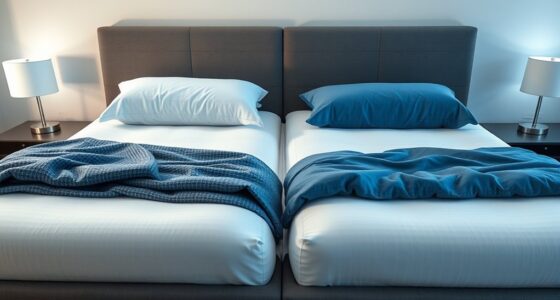
Common sleep disorders like insomnia, sleep apnea, and restless leg syndrome cause issues such as difficulty falling asleep, frequent awakenings, and unrefreshing rest. They can stem from stress, poor sleep habits, or underlying health conditions. Treatments often include lifestyle changes, better sleep hygiene, and medical interventions if needed. Addressing causes and making behavioral adjustments can improve your sleep quality. To understand more about symptoms, causes, and how to manage these disorders, continue exploring further.
Key Takeaways
- Common sleep disorders include insomnia, restless leg syndrome, sleep apnea, and narcolepsy, each with distinct symptoms.
- Causes often involve stress, poor sleep hygiene, lifestyle factors, or underlying medical conditions.
- Symptoms vary but may include difficulty falling asleep, frequent awakenings, daytime fatigue, or abnormal movements.
- Treatments range from behavioral changes and sleep hygiene improvements to medical interventions like CPAP or medication.
- Early diagnosis and addressing underlying causes can improve sleep quality and overall health.

Have you ever struggled to fall asleep or stay asleep through the night? If so, you’re not alone. Sleep disturbances are common and can stem from various factors, but many issues can be improved by focusing on sleep hygiene and making simple lifestyle modifications. Sleep hygiene involves habits and environmental factors that promote restful sleep. You can start by establishing a regular sleep schedule—going to bed and waking up at the same time each day helps regulate your internal clock. Avoid caffeine or heavy meals close to bedtime, as they can interfere with falling asleep. Creating a calming pre-sleep routine, like reading or taking a warm bath, signals your body that it’s time to unwind. Guarantee your bedroom is cool, dark, and quiet; these conditions are ideal for sleep. Limiting screen time before bed is vital, as blue light from devices suppresses melatonin, the hormone that promotes sleep. By making these small adjustments, you set the stage for better sleep quality. Additionally, understanding that sleep disorders often have underlying causes can motivate you to seek appropriate treatment if needed.
Lifestyle modifications go hand-in-hand with sleep hygiene and can considerably impact your sleep patterns. Regular physical activity, for example, helps reduce stress and tire your body in a healthy way, but avoid vigorous exercise close to bedtime. Managing stress through relaxation techniques—such as meditation, deep breathing, or gentle yoga—can ease your mind and prepare you for restful sleep. If you consume alcohol, be aware that it might initially make you feel sleepy but can disrupt your sleep cycle later in the night. Smoking, too, can interfere with sleep quality due to its stimulant effects. Developing a consistent sleep routine and making mindful choices about diet, exercise, and stress management are all part of lifestyle modifications that can improve sleep hygiene. These changes don’t require expensive interventions and can be easily integrated into your daily life.
Addressing sleep hygiene and lifestyle factors is often the first step in overcoming common sleep disorders like insomnia or restless leg syndrome. By creating a sleep-friendly environment and adopting healthy habits, you can improve your chances of falling asleep faster and enjoying more restorative sleep. Remember, small, consistent changes often yield the best results. If sleep problems persist despite these efforts, it might be time to consult a healthcare professional for further evaluation. But generally, focusing on sleep hygiene and making targeted lifestyle modifications can help you regain control of your sleep patterns and wake up feeling more refreshed and energized each day.

UpNature Dream Sleep Essential Oil Roll On – Natural Sleeping Blend with Lavender, Chamomile Aromatherapy Oils
Natural sleep support – Dream roll on is a soothing essential oil blend made for anyone looking for…
As an affiliate, we earn on qualifying purchases.
As an affiliate, we earn on qualifying purchases.
Frequently Asked Questions
Can Sleep Disorders Be Hereditary?
Yes, sleep disorders can be hereditary. Your genetic predisposition plays a role, meaning you might be more likely to develop certain sleep issues if they run in your family. Hereditary patterns influence conditions like insomnia, sleep apnea, or restless legs syndrome. While genetics increase your risk, lifestyle and environment also impact whether you experience these disorders. Knowing your family history helps you and your healthcare provider better manage or prevent sleep problems.
Are There Natural Remedies for Sleep Disorders?
They say “prevention is better than cure,” and natural remedies can help you sleep better. You can try herbal supplements like chamomile or valerian root, which may promote relaxation. Incorporating relaxation techniques such as deep breathing or meditation before bed can also ease your mind. These natural methods often improve sleep quality without medication, helping you wake up refreshed and ready to face the day.
How Do Sleep Disorders Affect Mental Health?
Sleep disorders can seriously impact your mental health by causing sleep deprivation, which leads to difficulty concentrating, irritability, and mood swings. You might also experience heightened anxiety, making anxiety management more challenging. Poor sleep affects your brain’s ability to regulate emotions and handle stress, so addressing sleep issues is vital for maintaining mental well-being. Prioritize good sleep habits and seek help if sleep problems persist to protect your mental health.
Can Lifestyle Changes Fully Cure Sleep Disorders?
No, lifestyle changes like improving sleep hygiene and managing stress can’t fully cure sleep disorders, but they can markedly improve your sleep quality. You might think a few habits are enough, but true healing often requires a combination of strategies. By consistently practicing good sleep hygiene and stress management techniques, you can significantly reduce symptoms and regain restful nights—though some cases may need medical intervention for complete relief.
When Should I See a Sleep Specialist?
You should see a sleep specialist if improving your sleep hygiene and trying cognitive behavioral therapy doesn’t help with ongoing sleep problems. If you experience persistent insomnia, sleep apnea symptoms like loud snoring or daytime fatigue, or unusual behaviors during sleep, it’s time to seek professional help. A specialist can diagnose underlying issues and recommend tailored treatments to restore healthy sleep patterns and improve your quality of life.
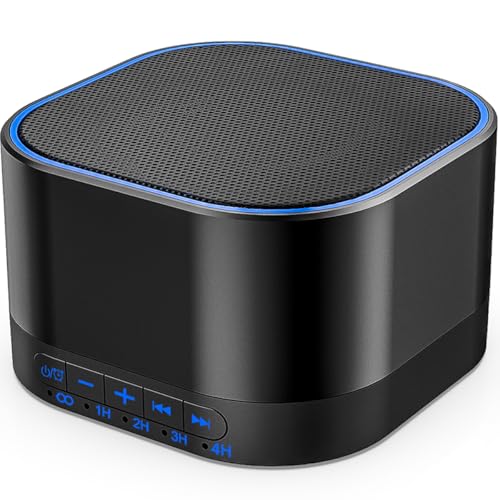
Magicteam Sound White Noise Machine with 20 Non Looping Natural Soothing Sounds and Memory Function 32 Levels of Volume Powered by AC or USB and Sleep Sound Timer Therapy for Baby Kids Adults
❤20 Non-Looping Sleep Sounds: White noise ,Brown noise, pink noise, blue noise, fan,brook, rain, ocean,bird and Bonfire,suitable for…
As an affiliate, we earn on qualifying purchases.
As an affiliate, we earn on qualifying purchases.
Conclusion
Understanding sleep disorders helps you identify symptoms, explore causes, and seek effective treatments. Recognize the signs, address the triggers, and prioritize your sleep health. By staying informed, you can improve your quality of life, restore your energy, and regain your well-being. Don’t ignore the warning signs, don’t settle for restless nights, and don’t delay seeking help. Take control of your sleep, embrace better rest, and enjoy the benefits of a healthier, more vibrant you.

livho High Tech Blue Light Glasses – Advanced Blue Light Blocking Computer Glasses – Screen Fatigue & UV Protection
Elevate your screen time comfort with these stylish women's/men's eyewear frame blue light blocking glasses, designed to reduce…
As an affiliate, we earn on qualifying purchases.
As an affiliate, we earn on qualifying purchases.

MyHalos® Sleep Mask – 3D Blackout Eye Mask for Women & Men, Side Sleepers, Zero Pressure Memory Foam Eyelash Friendly, Breathable,Award-Winning Sleep Aid for Travel (Black, 1 Count (Pack of 1))
Complete Blackout: Innovative contoured design blocks 100% light. Perfect blindfold sleeping eye mask for night shift workers, frequent…
As an affiliate, we earn on qualifying purchases.
As an affiliate, we earn on qualifying purchases.