TL;DR

Get health and wellness essentials delivered free with Prime
- Fast, free delivery on millions of items
- Prime Video, Amazon Music and more included
- Member-only deals all year
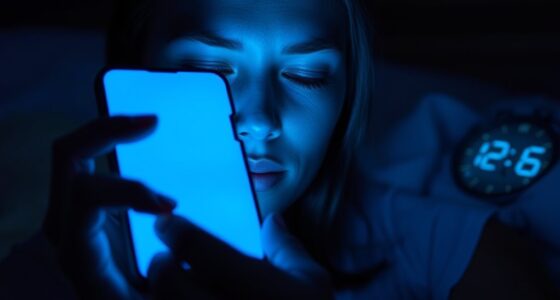
A growing number of sleep sufferers report that listening to audio books helps them fall asleep and stay asleep longer. While anecdotal evidence is widespread, scientific research is still limited. This article explores what is known and what remains uncertain about audio books’ role in sleep health.
Recent discussions on r/sleep indicate that many individuals find listening to audio books helps them fall asleep faster and maintain sleep throughout the night. While these reports are anecdotal, they have sparked interest in whether audio books could serve as a non-pharmacological aid for sleep, prompting further investigation into their potential benefits and limitations.
Numerous users on the r/sleep subreddit have shared personal experiences suggesting that audio books assist with sleep onset and reduce nighttime awakenings. These reports are primarily anecdotal, with no large-scale clinical studies yet confirming these effects. Experts note that listening to audio books may help distract the mind from rumination and anxiety, common barriers to falling asleep.
Some users report that audio books with calming narration and soothing voices are particularly effective. However, others warn that stimulating content or loud voices could have the opposite effect, making it harder to sleep. There is currently no standardized research or guidelines on the optimal type of audio content for sleep aid purposes.
Researchers emphasize that while listening to audio books is generally safe, individual responses vary, and more scientific evidence is needed to establish causality and best practices. Sleep specialists recommend that individuals experiment cautiously and consider content that promotes relaxation.
Potential Impact of Audio Books on Sleep Health
If scientifically validated, audio books could offer a low-cost, accessible method to improve sleep quality for millions experiencing insomnia or sleep difficulties. This could reduce reliance on medications, which often have side effects or dependency issues. Understanding their role could also inform personalized sleep hygiene strategies and non-drug interventions.
As an affiliate, we earn on qualifying purchases.
Background on Non-Pharmacological Sleep Aids
Non-drug sleep aids such as white noise, guided meditations, and calming music have been studied for their ability to improve sleep quality. However, scientific research specifically on audio books remains limited. Anecdotal reports, especially on platforms like r/sleep, have increased interest in exploring whether listening to audio content can serve as a practical sleep aid.
Previous studies on auditory stimulation suggest that calming sounds may facilitate relaxation and transition into sleep, but direct evidence for audio books is scarce. The rise of digital media consumption has made audio books more popular, prompting questions about their potential benefits for sleep health.
“Listening to calming audio content can help distract the mind from racing thoughts, which is a common obstacle to falling asleep.”
— an anonymous researcher
sleep aid audio books with soothing narration
As an affiliate, we earn on qualifying purchases.
As an affiliate, we earn on qualifying purchases.
Unconfirmed Evidence and Content Variability
There is no large-scale, peer-reviewed research definitively confirming that audio books improve sleep onset or maintenance. The effectiveness appears to depend on individual preferences, content type, and narration style. It remains unclear which specific factors make audio books beneficial or potentially disruptive for sleep.
Further studies are needed to determine optimal content characteristics, duration, and whether these effects are sustained over time.
As an affiliate, we earn on qualifying purchases.
Future Research and Practical Recommendations
Researchers are beginning to explore the relationship between audio book listening and sleep quality through controlled studies. Sleep clinics and health professionals may soon incorporate audio content as part of broader behavioral interventions if evidence supports its efficacy.
In the meantime, individuals interested in trying audio books for sleep are advised to select calming, non-stimulating content and monitor their responses. Sleep specialists recommend cautious experimentation and personalization.
As an affiliate, we earn on qualifying purchases.
Key Questions
Can listening to audio books replace sleep medications?
Current evidence is insufficient to recommend audio books as a replacement for sleep medications. They may serve as a supplementary or alternative method for some individuals, but consulting a healthcare professional is advised for persistent sleep issues.
What types of audio books are best for sleep?
Calming stories, narrated by soothing voices, with slow pacing and gentle content, are generally considered more suitable. Stimulating or suspenseful content may have the opposite effect.
Are there risks associated with listening to audio books at bedtime?
Generally, listening to audio books is safe for most people. However, if content is too stimulating or loud, it could interfere with sleep. Personal responses vary, so individual monitoring is recommended.
How soon might scientific research confirm these effects?
Research on this topic is still in early stages. Large-scale studies and clinical trials are needed, which could take several years before definitive conclusions are available.
Source: r/sleep
Cold & flu season Picks
humidifiers
As an affiliate, we earn on qualifying purchases.