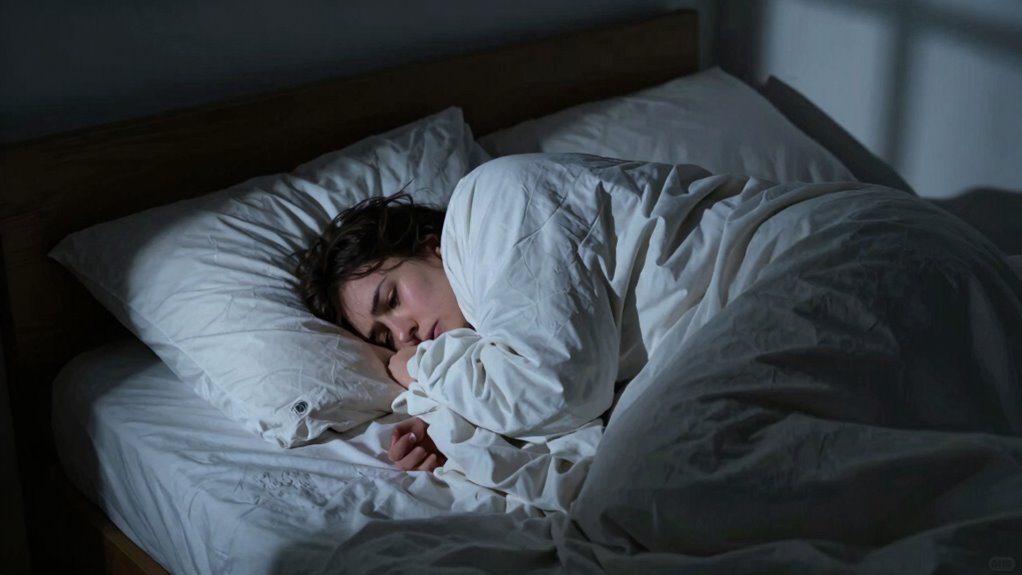

Stress often shows up in your sleep before you realize it during the day through vivid or disturbed dreams, fragmented sleep, or sudden awakenings. You might wake feeling more drained or notice subtle changes like increased dream recall or restless nights. These signs indicate emotional tension building beneath your awareness. If you want to understand how to recognize these signals early and improve your sleep, there’s more to discover below.

Get health and wellness essentials delivered free with Prime
- Fast, free delivery on millions of items
- Prime Video, Amazon Music and more included
- Member-only deals all year
Key Takeaways
- Increased vivid or disturbing dreams indicate unresolved emotional tension from stress.
- Frequent awakenings or fragmented sleep reflect underlying stress impacting sleep quality.
- Changes in dream recall, such as difficulty remembering dreams, can signal emerging stress.
- Feeling more exhausted upon waking suggests sleep disruption caused by stress.
- Chaotic or restless sleep patterns serve as subtle signs of accumulating emotional stress.
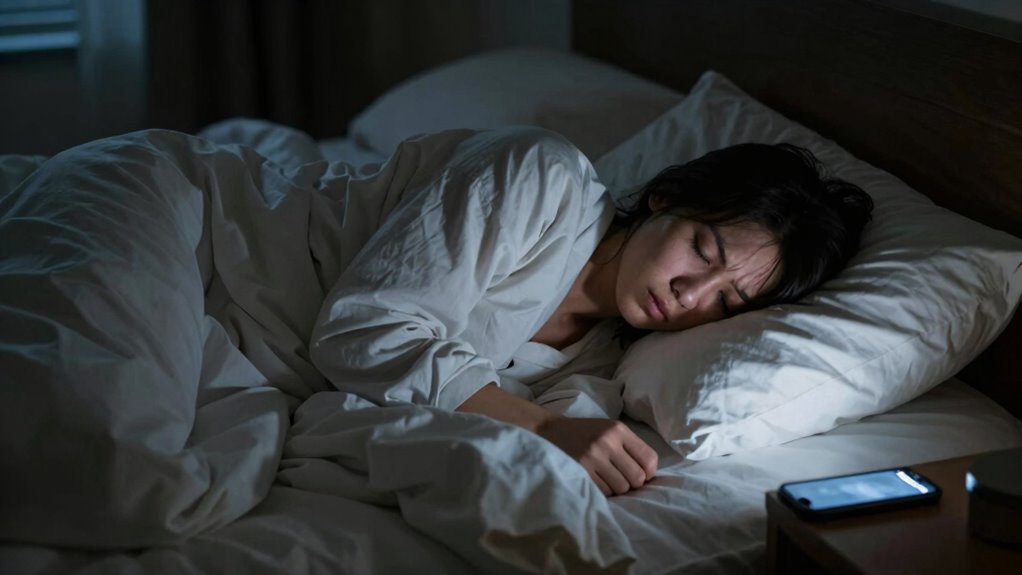
Stress often sneaks into your sleep in ways you might not immediately notice. You might wake up feeling tired or restless, but the connection to stress isn’t always obvious right away. One subtle sign is changes in your dream recall. When stress builds up, your mind tends to process unresolved worries during sleep, often leading to more vivid or disturbing dreams. You might find yourself remembering fragments of dreams or waking up suddenly, feeling unsettled. These dream experiences are your brain’s way of trying to work through emotional tension, even if you aren’t consciously aware of it. Over time, frequent vivid dreaming or difficulty recalling dreams can hint that stress is impacting your sleep quality. Research supports that dream recall can serve as an early indicator of psychological stress affecting sleep patterns. Incorporating stress management techniques, like relaxation exercises before bed, can help mitigate these effects.
Your sleep environment plays a crucial role in how stress manifests during your rest. An uncomfortable or noisy sleep space can amplify feelings of anxiety, making it harder to relax fully. Poor sleep environments—think cluttered spaces, too much light, or a mattress that doesn’t support your body—can cause frequent awakenings or shallow sleep. When your sleep becomes fragmented, your brain has less time to cycle through the restorative stages, and stress can more easily intrude into your dreams. Creating a calm and comfortable sleep environment helps reduce external stressors, allowing your mind to settle and process emotions more naturally. Additionally, incorporating sleep hygiene practices such as avoiding screens before bed or practicing relaxation techniques can further decrease stress-related disruptions. Recognizing the importance of sleep environment and making adjustments can significantly improve your overall sleep quality and reduce stress-related disturbances. When your surroundings support restful sleep, you’re less likely to experience the perturbations that stress can cause in your dream recall or overall sleep quality. Choosing a quality electric bike conversion kit that suits your needs can also help reduce daily stress by making commutes easier and more enjoyable.
You might not notice the connection between your sleep environment and stress right away, but these elements are intertwined. If you’re waking up feeling more drained than you should, or if your dreams have become more chaotic, it’s worth examining your sleep setting. Creating a peaceful environment—dim lighting, a comfortable temperature, and minimal noise—can help lessen the subconscious burden that stress places on your sleep. This, in turn, can improve your dream recall and make your sleep more restorative. Recognizing these subtle signs and adjusting your sleep environment can give you a clearer picture of how stress influences your sleep before you even realize how it’s affecting your daytime well-being.
As an affiliate, we earn on qualifying purchases.
Frequently Asked Questions
Can Stress-Related Sleep Issues Cause Long-Term Health Problems?
Yes, stress-related sleep issues can lead to long-term health problems. When stress symptoms cause sleep deprivation, your body doesn’t get enough restorative rest, increasing your risk for heart disease, diabetes, and mental health issues. Chronic sleep deprivation weakens your immune system and impairs cognitive function. Addressing stress symptoms early helps prevent these health risks, ensuring you maintain overall well-being and a healthier future.
How Can I Differentiate Between Stress and Other Sleep Disorders?
Did you know that 60% of people experience dream recall or sleep paralysis during sleep disturbances? To differentiate stress from other sleep disorders, notice if your sleep issues correlate with daily stress or anxiety. Stress-induced sleep problems often involve difficulty falling asleep or restless nights, while disorders like sleep paralysis may include vivid hallucinations. Pay attention to patterns, and consult a healthcare professional if symptoms persist or worsen.
Are Certain Sleep Positions More Affected by Stress?
Certain sleep positions, like sleeping on your back, can be more affected by stress, leading to disrupted sleep and altered sleep posture. Stress may cause you to snore more or develop irregular snoring patterns, especially when lying in positions that restrict airflow. You might notice increased restlessness or discomfort in specific postures, indicating stress’s impact. Paying attention to your sleep posture and snoring patterns can help you identify stress-related sleep issues early.
Does Stress Impact Sleep Quality Differently for Men and Women?
Yes, stress impacts sleep quality differently for men and women because hormonal differences influence emotional responses and sleep patterns. You might notice women are more prone to sleep disturbances during stressful times due to hormonal fluctuations, while men may experience more physical symptoms. These biological differences shape how stress affects your sleep, making it essential to recognize these variations and tailor strategies to improve sleep quality accordingly.
Can Improving Sleep Habits Reduce Daytime Stress Levels?
Improving your sleep habits can definitely reduce daytime stress levels. When you use relaxation techniques before bed, like deep breathing or meditation, you signal your body to unwind. Creating a calm sleep environment—dim lights, comfortable bedding—further helps. As your sleep quality improves, you’ll wake up feeling more refreshed and better equipped to handle daily stress, proving that better sleep habits can truly make a difference in your overall stress levels.
As an affiliate, we earn on qualifying purchases.
Conclusion
So, as you drift into sleep, stress quietly whispers its presence—showing up in restless nights and vivid dreams—long before you realize it during the day. Just like a silent alarm, your sleep patterns reveal the unseen tension lurking beneath your calm exterior. Paying attention to these signals gives you a chance to address stress early, restoring peace in both your nights and your days. After all, your sleep might just be the first to tell you what your day tries to hide.
memory foam mattress for sleep quality
As an affiliate, we earn on qualifying purchases.
As an affiliate, we earn on qualifying purchases.
relaxation and stress relief techniques
As an affiliate, we earn on qualifying purchases.
As an affiliate, we earn on qualifying purchases.
Halloween Picks
halloween
As an affiliate, we earn on qualifying purchases.