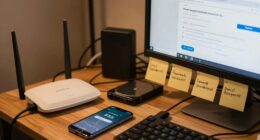
To manage blue light exposure and protect your sleep, try avoiding screens an hour before bed and use blue light filters or night modes on devices. Wearing blue light blocking glasses and reducing screen time in the evening can help maintain melatonin levels, making it easier to fall asleep. Creating a calming pre-sleep routine and optimizing your sleep environment also support rest. Keep going to discover more ways to improve your sleep quality.
Key Takeaways
- Limit screen use at least one hour before bedtime to reduce blue light exposure.
- Enable blue light filters or night mode settings on devices during evening hours.
- Wear blue light blocking glasses when using screens after sunset.
- Establish a relaxing pre-sleep routine that minimizes screen time, like reading or listening to calming music.
- Create a sleep-friendly environment to support natural melatonin production and better sleep quality.

Many people underestimate how much screen time can disrupt sleep, especially in today’s digital age when devices are constantly within reach. The problem largely stems from blue light, a type of high-energy visible light emitted by screens on smartphones, tablets, computers, and even LED lights. When you’re exposed to blue light late at night, it can interfere with your body’s natural sleep-wake cycle, or circadian rhythm. This disruption often leads to poorer sleep quality, making it harder to fall asleep, stay asleep, or feel rested in the morning.
Blue light tricks your brain into thinking it’s still daytime by suppressing the production of melatonin, the hormone responsible for signaling your body to prepare for sleep. When melatonin levels stay low because of prolonged exposure to blue light, your sleep becomes fragmented or shallow. You might find yourself lying in bed for hours, unable to wind down, or waking up feeling unrefreshed. Over time, this interference can accumulate, resulting in chronic sleep issues, daytime fatigue, and even impacts on your mood and cognitive function.
Understanding this connection is essential if you want to improve your sleep quality. It’s not enough to simply reduce your overall screen time; you also need to be strategic about when and how you use your devices. For instance, avoid screens at least an hour before bedtime. If you must use your devices in the evening, consider activating blue light filters or “night mode” settings, which reduce blue light emissions. Many phones and computers now have built-in features that shift the display to warmer tones, which are less disruptive to melatonin production.
Another effective approach is to create a wind-down routine that minimizes screen exposure altogether. Engage in relaxing activities like reading a physical book, practicing gentle stretches, or listening to calming music. These activities can help signal to your brain that it’s time to sleep, promoting better sleep quality overall. Additionally, wearing blue light blocking glasses in the evening can serve as a simple yet effective measure to reduce blue light exposure, especially if you rely on screens for work or entertainment late into the night. Being mindful of your sleep environment can also enhance your ability to fall asleep more easily.
Ultimately, managing your blue light exposure is vital for maintaining healthy sleep patterns. By limiting evening screen time, using blue light filters, and establishing a calming pre-sleep routine, you help your body produce adequate melatonin and support a more restful, restorative sleep. When you prioritize these habits, you’re investing in your overall well-being, ensuring that your sleep quality isn’t compromised by the digital devices that are so integral to your daily life.
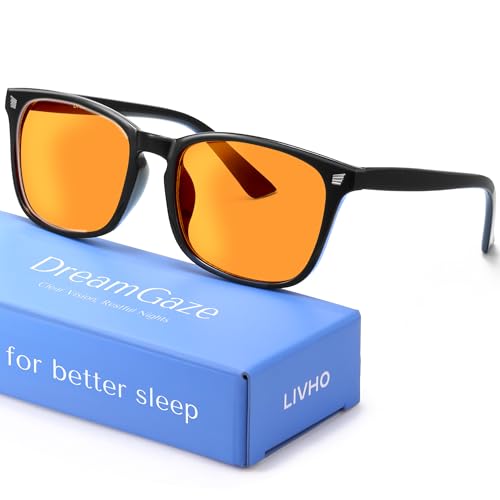
livho Gaming Blue Light Blocking Glasses for Better Sleep, Premium Night Driving, Computer Blockers for Man & Woman
REDUCE EYE STRAIN: These glasses for computer eye strain limit your blue-light exposure and alleviate eye strain, headaches,…
As an affiliate, we earn on qualifying purchases.
As an affiliate, we earn on qualifying purchases.
Frequently Asked Questions
How Does Blue Light Affect Melatonin Production?
Blue light suppresses melatonin production, which can lead to circadian disruption, messing with your sleep cycle. When you’re exposed to blue light, especially before bed, it signals your brain that it’s daytime, reducing melatonin levels. This suppression makes it harder to fall asleep and stay asleep, ultimately disrupting your circadian rhythm. To protect your sleep, limit blue light exposure in the evening and consider using blue light filters.
Are Children More Vulnerable to Blue Light’s Effects?
Children are more vulnerable to blue light’s effects, much like delicate flowers are more sensitive to harsh sunlight. Their developing eyes and visual system make them more susceptible to blue light sensitivity, which can impact child visual development. Because their eyes absorb more blue light and their melatonin production is more easily disrupted, limiting screen time before bed helps protect their sleep and overall eye health.
Can Blue Light Glasses Fully Block Harmful Rays?
Blue light blocking glasses can’t fully block all harmful rays, but they considerably reduce blue light exposure. Their effectiveness varies depending on the lenses’ quality and design. You should choose glasses specifically designed for blue light blocking, as they provide better protection. Keep in mind, while they help, it’s also important to practice other habits like limiting screen time and taking breaks to protect your eyes and sleep quality.
What Are Alternative Methods to Reduce Blue Light Exposure?
You can reduce blue light exposure by using screen filters that block or filter blue light, making it easier on your eyes. Adjust your device settings to reduce blue light emissions during evening hours. Incorporate natural lighting into your environment to lessen reliance on screens. Also, take regular breaks from screens and consider using apps that shift screen color temperature at night. These methods help protect your sleep and eye health effectively.
How Long Should Screen Time Be Limited Before Bed?
You should limit your screen time at least 30 to 60 minutes before bed to improve sleep quality. Establishing consistent bedtime routines helps signal your body it’s time to wind down, reducing blue light exposure’s impact. Set screen time limits in advance and turn off devices early. This way, you can relax more naturally and enjoy better sleep, feeling more refreshed and alert the next day.

Pangda 9 Pack Blue Gel Light Filter Red Lighting Gel Sheets Colored Film to Cover Lights Plastic Colored Overlays Correction, 1.7 by 8.3 Inches for Film, Video, Photo, Stage
Gel filter material: these gel filters are made of high light transmission plastic material, lightweight, steady color temperature…
As an affiliate, we earn on qualifying purchases.
As an affiliate, we earn on qualifying purchases.
Conclusion
By managing your screen time, especially before bed, you can improve your sleep quality. Did you know that exposure to blue light can delay sleep onset by up to an hour? Limiting screen use an hour before bed helps your body produce melatonin naturally. Remember, small changes make a big difference—so try turning off devices earlier tonight and enjoy more restful sleep tomorrow. Your body will thank you for it!
Supershieldz (3 Pack) Designed for Onn 10.1 inch Tablet and Onn Tablet Pro 10.1 inch (Model 100003562) Screen Protector, High Definition Clear Shield (PET)
Please note: Compatible with Onn 10.1" Tablet only
As an affiliate, we earn on qualifying purchases.
As an affiliate, we earn on qualifying purchases.

THAUSDAS Night Light, Dimmable Touch Lamp for Bedroom, Portable Table Bedside Lamp, 5 Brightness 13 RGB Colors, Night Lights for Baby Nursery Bathroom
360 Degrees Touch Control: The incredibly convenient 360 degrees touch control makes the touch lamp super simple to…
As an affiliate, we earn on qualifying purchases.
As an affiliate, we earn on qualifying purchases.