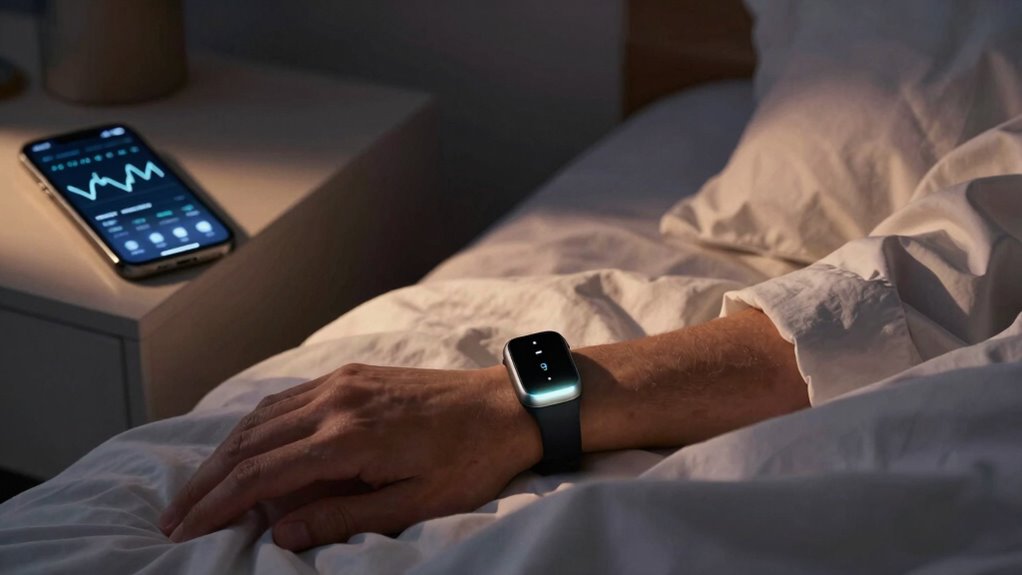

Sleep tracking helps you understand your sleep patterns, identify factors affecting quality, and improve your environment for better rest. It also offers clues about REM cycles and dreams, motivating changes that may enhance sleep. However, it can distort your perception by overstating wakefulness or missing brief sleep shifts, especially with inaccurate sensors. Overreliance on data might cause unnecessary worry or habits that aren’t truly needed. Keep exploring to discover how to use this technology wisely and avoid common pitfalls.
Open a free Amazon Business account
Business pricing, bulk buying and tax-exempt orders.
As an affiliate, we earn on qualifying purchases.
Key Takeaways
- Sleep tracking reveals patterns in sleep habits and stages, aiding in understanding sleep quality and potential issues.
- It helps identify factors affecting sleep, such as frequent REM awakenings, guiding environmental or routine adjustments.
- Data may distort reality due to sensor limitations, noise, or brief awakenings, leading to inaccurate assessments of sleep quality.
- Overreliance on sleep data can cause anxiety or misinterpretation, overshadowing subjective feelings and natural sleep needs.
- When used responsibly, sleep tracking encourages small improvements and complements subjective sleep assessments without replacing them.
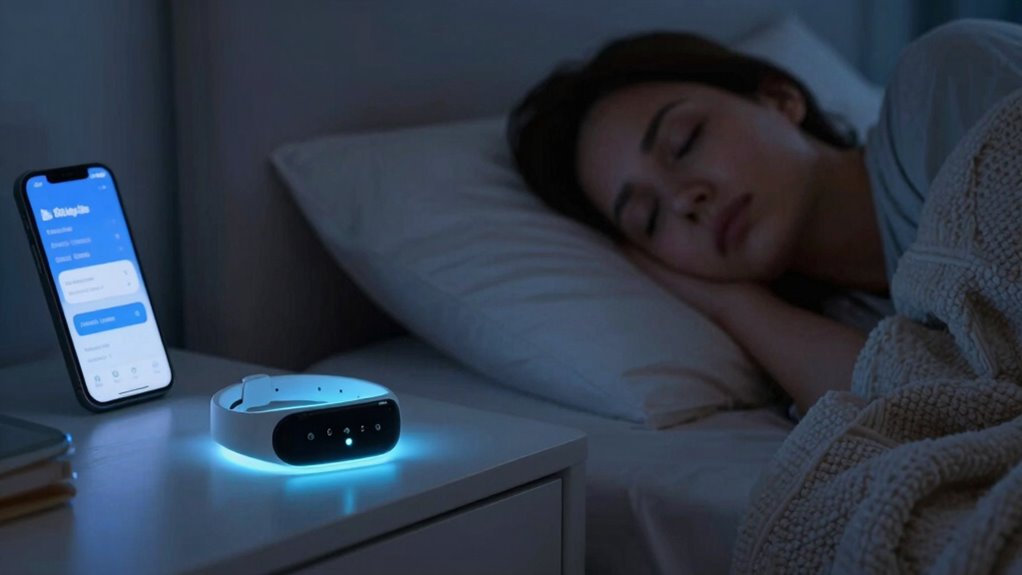
Sleep tracking has become increasingly popular as more people seek to understand and improve their sleep habits. When you start using a sleep tracker, it can reveal patterns you might not have noticed before, helping you identify factors affecting your rest. One way sleep tracking can assist is through dream analysis. While many devices don’t directly analyze dreams, tracking your sleep stages can give you clues about your REM cycles, which are closely linked to dreaming. If you notice you’re waking up frequently during REM, it might suggest your dreams are more vivid or intense on certain nights, or that your sleep quality is fluctuating. This insight can motivate you to explore ways to enhance your sleep environment, such as reducing noise, adjusting room temperature, or investing in better bedding. Improving your sleep environment often leads to more restful sleep, and tracking your progress keeps you motivated as you see tangible changes over time. Additionally, some smart home devices can be integrated to automate environmental adjustments, further supporting better sleep. Utilizing sleep environment strategies can significantly impact your overall sleep quality.
However, it’s important to recognize that sleep tracking isn’t perfect, and it can sometimes distort your perception of your sleep quality. Many devices rely on movement and heart rate data to estimate sleep stages, but they aren’t always precise. For example, if your sleep environment is noisy or uncomfortable, your tracker might register more wakefulness than there actually is, leading you to believe your sleep is worse than it truly is. Conversely, it might overlook brief awakenings or periods of light sleep, giving you a false sense of consistency. This can cause unnecessary worry or lead you to make changes that aren’t really needed. Inaccurate data can also be influenced by sensor limitations, which vary between devices and impact precision. Understanding sensor accuracy can help you better interpret the data you receive. Additionally, sleep tracking can distort your understanding of how much sleep you truly need. If you fixate on the numbers—like aiming for a specific number of hours—you might overlook your body’s natural cues and sleep needs. Sometimes, you feel tired despite hitting your target hours, or you feel alert even if you sleep less than recommended. These discrepancies can create anxiety or lead you to alter your sleep habits in unhelpful ways. It’s *essential* to interpret sleep data as a helpful tool rather than an absolute measure of health. Pay attention to how you feel during the day, not just what the tracker reports, and use the data to make small, sustainable improvements to your sleep environment and routines. By understanding the role of sleep monitoring technology in your habits, you’ll be better equipped to harness its benefits without overreliance. In doing so, you’ll get the most benefit from sleep tracking without falling into the trap of overinterpreting its limitations.
As an affiliate, we earn on qualifying purchases.
Frequently Asked Questions
Can Sleep Trackers Detect Sleep Disorders Accurately?
Sleep trackers can detect potential sleep disorders, but their accuracy varies. They monitor your sleep cycle patterns and provide valuable data, yet they may not be precise enough for diagnosis. You might get useful insights into disruptions or irregularities, but for a definitive diagnosis, you should consult a healthcare professional. Relying solely on sleep trackers for detecting disorders isn’t recommended, as data accuracy can be limited.
How Do Sleep Trackers Influence Sleep Hygiene Habits?
Did you know that 65% of users say sleep trackers influence their sleep habits? Sleep trackers shape your sleep hygiene by providing data accuracy, helping you identify patterns and improve routines. When you monitor your sleep, you become more aware of habits that hinder rest, like late-night screen time. This awareness motivates you to make healthier choices, ultimately leading to better sleep quality and more consistent sleep habits.
Are Sleep Tracking Results Affected by Device Placement?
Yes, your sleep tracking results are affected by device placement, which influences measurement accuracy. If you wear the device too loosely or in an inconsistent spot, it may misread your sleep stages or wakefulness. For the most reliable data, guarantee the device is snug and positioned correctly, such as on your wrist or chest, depending on the device. Proper placement helps your tracker provide more precise insights into your sleep patterns.
Do Sleep Trackers Work Equally Well for All Age Groups?
Sleep trackers don’t work equally well for all age groups; their accuracy varies like a chameleon changing colors. Younger users often benefit from modern, adaptable technology designed for their active lifestyles, while older adults might find some devices less reliable due to age-specific accuracy challenges. Your experience depends on how well the device adapts to your changing sleep patterns and how accurately it captures your unique rhythms across different ages.
Can Sleep Data Be Used to Improve Mental Health?
Yes, you can use sleep data to improve mental health. By tracking your sleep quality, you gain insights into how rest impacts your mental wellness. Recognizing patterns, like poor sleep or frequent awakenings, helps you identify stressors or habits affecting your mental state. With this awareness, you can make targeted adjustments—such as relaxing routines or sleep schedule changes—to enhance overall mental wellness and support better emotional resilience.
sleep tracker with REM cycle analysis
As an affiliate, we earn on qualifying purchases.
As an affiliate, we earn on qualifying purchases.
Conclusion
Remember, sleep tracking is like a lighthouse—guiding you through the fog of restless nights, but not the beacon itself. It reveals patterns and highlights areas for improvement, yet can sometimes distort reality with numbers that don’t tell the whole story. Use it as a helpful compass, not the sole map, and trust your body’s signals. Ultimately, understanding your sleep is a journey—one that’s best navigated with curiosity, not just data.
smart sleep monitor for accurate sleep data
As an affiliate, we earn on qualifying purchases.
As an affiliate, we earn on qualifying purchases.
sleep environment improvement gadgets
As an affiliate, we earn on qualifying purchases.
As an affiliate, we earn on qualifying purchases.
Fall yard work Picks
leaf blowers
As an affiliate, we earn on qualifying purchases.