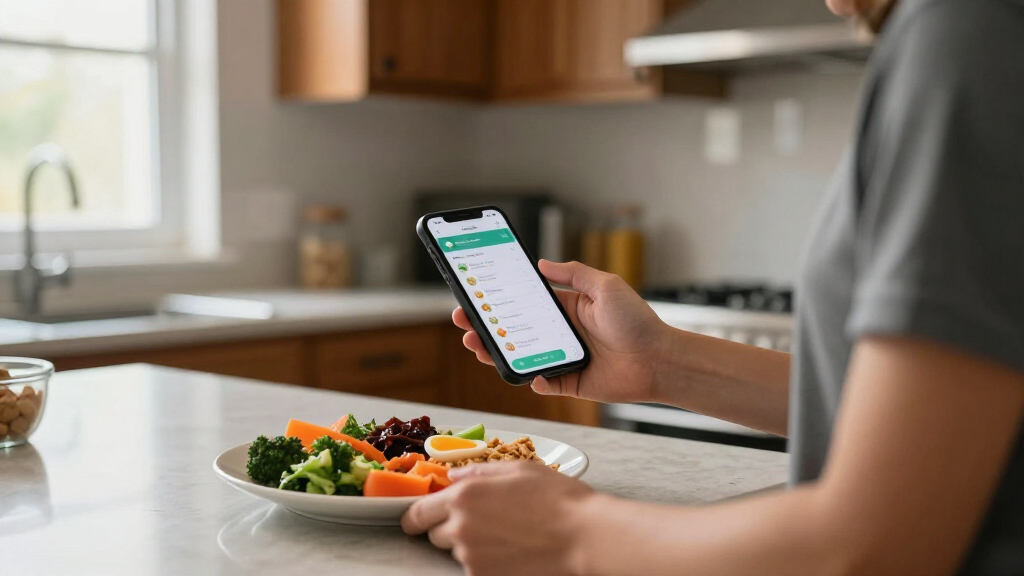

Searching for the best nutrition tracking apps in 2026? The right app can simplify your journey toward healthier eating, whether you’re focused on macro tracking, calorie counting, or overall wellness. The MyFitnessPal stands out as the best overall choice for its comprehensive database and user-friendly interface. Meanwhile, Chrono Nutrition offers advanced analytics for serious diet enthusiasts, but it comes at a higher price. Many apps face tradeoffs between simplicity and depth, with some prioritizing ease of use and others offering detailed customization. Keep reading to see how these options compare and which one suits your needs best.

Get health and wellness essentials delivered free — and shop member deals
- Fast, free delivery on millions of items
- Access to Prime Big Deal Days deals on October 6–7
- Prime Video, Amazon Music and more included
Key Takeaways
- The top apps balance ease of use with detailed tracking features, catering to different user levels.
- Database size and food recognition speed are key factors for a seamless tracking experience.
- Premium apps often offer more personalized insights but come with higher costs.
- Free versions can be sufficient for beginners but may lack advanced analytics or macro customization.
- Compatibility with wearable devices can enhance tracking accuracy and convenience.
| Nutrition Log Book & Macro Tracker Food Journal |  | Best Simple Food Log for Basic Tracking | VIEW LATEST PRICE | See Our Full Breakdown | |||
| 90-Day A5 Food and Fitness Journal with Calorie Counter, Pink |  | Best for Holistic 90-Day Tracking & Planning | Duration: 90 days | Size: A5 | Format: Undated | VIEW LATEST PRICE | See Our Full Breakdown |
| Nutrition Log Book: Health Monitoring Record for Maintaining Nutritional Balance |  | Best for Detailed Nutrient Monitoring | VIEW LATEST PRICE | See Our Full Breakdown | |||
| Nutrition Log Book & Macro Tracker Food Journal |  | Best for Daily Macro and Calorie Monitoring | ASIN: B0DC58N5VJ | Product Type: Food and nutrition log book | Tracking Fields: Meals, calories, carbohydrates, fat, protein, sugar, sodium, fiber | VIEW LATEST PRICE | See Our Full Breakdown |
| Nutrition Log Book for Daily Food Tracking, Calories, Macros & Healthy Eating Goals |  | Best for Daily Healthy Eating Goals | Format: Log book | Purpose: Daily food and nutrition tracking | Tracks: Food intake, calories, and macronutrients | VIEW LATEST PRICE | See Our Full Breakdown |
| The Macro Nutrition Tracker: Log Your Daily Food and Water Intake, Track Macronutrients and Count Calories for Diet and Weight Loss |  | Best Overall | Tracking Type: Food and water intake | Main Focus: Macronutrients and calories | Format: Practical journal | VIEW LATEST PRICE | See Our Full Breakdown |
| Nutrition Calorie Intake Tracker Log Book |  | Best for Beginners | Format: Log book | Tracking Focus: Calories and macros | Duration: Not specified | VIEW LATEST PRICE | See Our Full Breakdown |
| Macros 101: Your Guide to Macros, Calories, Tracking, Nutrition Labels & More |  | Best Educational Resource | Type: Educational book | Content Focus: Macros, calories, nutrition labels | Audience: Beginners and fitness beginners | VIEW LATEST PRICE | See Our Full Breakdown |
| Portion Control Made Simple: 90-Day Nutrition Tracker |  | Best for Habit Building | Tracking Period: 90 days | Format: Food journal and nutrition tracker | Log Frequency: Daily and weekly | VIEW LATEST PRICE | See Our Full Breakdown |
| nutrition tracking app | Format |
|---|---|
| Nutrition Log Book & Macro Tra | — |
| 90-Day A5 Food and Fitness Jou | Undated |
| Nutrition Log Book: Health Mon | — |
| Nutrition Log Book & Macro Tra | — |
| Nutrition Log Book for Daily F | Log book |
| The Macro Nutrition Tracker: L | Practical journal |
| Nutrition Calorie Intake Track | Log book |
| Macros 101: Your Guide to Macr | Paperback or digital guide |
| Portion Control Made Simple: 9 | Food journal and nutrition tracker |
More Details on Our Top Picks
Nutrition Log Book & Macro Tracker Food Journal
This straightforward food journal is ideal for users who prefer manual entry over digital apps, making it perfect for those focused on simple calorie and macro tracking. Unlike digital apps like 90-Day A5 Food and Fitness Journal which offer comprehensive weekly planning and hydration tracking, this journal limits itself to daily food and macro monitoring, which can be a drawback for those seeking a more integrated approach. Its simplicity supports weight loss and meal planning without digital distractions, but the lack of detailed specifications means it may not suit advanced users needing more data points. Overall, this pick makes sense for beginners or those wanting a physical record without complex features.
Pros:- Helps track daily food intake and macros easily
- Supports weight loss and meal planning goals
- Simple, easy-to-use food journal
Cons:- No detailed specifications or additional features
- Limited to basic tracking without digital integration
Best for: Beginners or individuals who prefer pen-and-paper tracking to digital apps
Not ideal for: Tech-savvy users seeking detailed analytics or integrated fitness tracking
Our verdict“This is best suited for beginners or those who prefer manual food logging without extra bells and whistles.”
90-Day A5 Food and Fitness Journal with Calorie Counter, Pink
Compared with the more basic journals, the 90-Day A5 Food and Fitness Journal offers a comprehensive approach, combining nutrition, hydration, workouts, and weekly meal planning. Its undated pages provide flexibility for start dates, unlike the dated logs that limit timing. The hardcover and lay-flat binding enhance usability, especially for those who want a durable, portable option. However, manual logging requires consistent effort, and the discrepancy between the product’s pink color and the listing’s description might confuse buyers. This journal is ideal for committed fitness enthusiasts aiming for an all-in-one tracking solution over three months.
Pros:- Tracks nutrition, hydration, calories, and workouts in one place
- Undated pages allow flexible start times
- Includes weekly meal planning sections
- Durable hardcover with lay-flat design
Cons:- Requires daily manual entry, which can be time-consuming
- Color discrepancy may cause confusion
Best for: Fitness-focused individuals who want an all-in-one journal for 90 days
Not ideal for: Casual users who prefer quick digital summaries or less detailed logs
- Duration:90 days
- Size:A5
- Format:Undated
- Cover:Hardcover
- Binding:Lay-flat
- Paper:Thick, bleed-resistant
Our verdict“This journal suits dedicated users seeking a detailed, multi-faceted 90-day tracking system.”
Nutrition Log Book: Health Monitoring Record for Maintaining Nutritional Balance
This log book stands out for users who want to monitor a broad spectrum of nutrients, including carbs, fats, sodium, fiber, and sugar, making it a good complement or alternative to digital apps like Macros 101 which focus more on education. Its focus on detailed nutrient tracking supports health-conscious individuals but suffers from a lack of detailed specifications and no available reviews, which could leave buyers uncertain about its usability or quality. While it covers many nutrients, the absence of digital features means it’s best suited to those who prefer pen and paper for detailed health monitoring.
Pros:- Helps monitor a wide range of nutritional intake
- Supports healthy living and nutritional awareness
- Simple to use for consistent daily tracking
Cons:- No detailed specifications or user reviews available
- Limited information on format or usability
Best for: Health-conscious individuals seeking detailed nutrient tracking for balanced diets
Not ideal for: Users who prefer digital analytics or need guided insights
Our verdict“This pick works best for those who want a manual, detailed view of their nutrient intake without digital tools.”
Nutrition Log Book & Macro Tracker Food Journal
Designed for users focused on daily macro and calorie tracking, this journal provides structured entries for meals, fats, proteins, sugars, and fiber. Compared to the Nutrition Log Book that covers more nutrients but lacks detailed format info, this journal’s clear tracking fields make it easier to stay consistent with diet plans. Its straightforward layout is ideal for dieters or those following specific nutritional targets but requires manual entry, which could be cumbersome for busy individuals. It’s a practical choice for disciplined users who want a dedicated record of their daily macros and calories.
Pros:- Tracks calories and multiple macronutrients precisely
- Provides a structured format for daily meals
- Helpful for diet adherence and progress tracking
Cons:- Requires manual data entry, time-consuming
- Lacks info on page count and physical dimensions
Best for: Individuals following strict diet plans or macro-focused regimens
Not ideal for: Casual dieters or those seeking digital or automated tracking solutions
- ASIN:B0DC58N5VJ
- Product Type:Food and nutrition log book
- Tracking Fields:Meals, calories, carbohydrates, fat, protein, sugar, sodium, fiber
Our verdict“This journal suits users committed to daily macro and calorie accountability in a structured format.”
Nutrition Log Book for Daily Food Tracking, Calories, Macros & Healthy Eating Goals
This log book emphasizes maintaining consistent daily records of food intake, calories, and macros, making it suitable for users committed to healthy eating habits. Unlike the more comprehensive 90-Day A5 Journal, this option focuses on daily tracking without additional planning features. Its lack of detailed specs like page count or dimensions makes it less transparent for buyers, but for those who want a straightforward, daily-focused tool, it encourages steady progress. It’s a good fit for individuals who prefer simple, repetitive tracking to build healthy routines.
Pros:- Supports daily food and macro tracking
- Helps maintain healthy eating goals
- Encourages consistent progress
Cons:- No detailed info about pages or layout
- Requires manual entry, which may be tedious
Best for: People aiming to develop consistent daily eating habits and track progress
Not ideal for: Users needing detailed planning features or digital insights
- Format:Log book
- Purpose:Daily food and nutrition tracking
- Tracks:Food intake, calories, and macronutrients
Our verdict“This is ideal for those focused on establishing daily healthy eating routines without added complexity.”
The Macro Nutrition Tracker: Log Your Daily Food and Water Intake, Track Macronutrients and Count Calories for Diet and Weight Loss
This macro nutrition tracker is a straightforward tool designed to help users log daily food and water intake, making it ideal for those focused on diet and weight loss. Compared with the more comprehensive Macros 101, which offers educational content, this tracker emphasizes practical logging rather than learning, making it better suited for immediate tracking needs. Its simplicity helps users stay motivated without overwhelming them with features, but the lack of detailed specifications or reviews may leave some wanting more insights into its accuracy and usability. The primary advantage is its focus on macronutrient and calorie monitoring, essential for disciplined dieting, yet without advanced features or integrations, it might fall short for those seeking a digital companion or detailed analytics. Overall, this pick makes sense for individuals seeking a no-frills, effective logging journal that supports consistent diet tracking.
Pros:- Helps track daily food and water intake easily
- Supports monitoring of macronutrients and calories
- Designed specifically for diet and weight loss goals
Cons:- Lacks detailed features or digital functionality
- No customer ratings or reviews to gauge effectiveness
Best for: Individuals who prefer a straightforward, paper-based or simple tracking approach for diet and weight loss.
Not ideal for: Tech-savvy users who want detailed digital analytics or integration with other health apps.
- Tracking Type:Food and water intake
- Main Focus:Macronutrients and calories
- Format:Practical journal
- Intended Use:Diet and weight loss
Our verdict“This tracker is ideal for those seeking a simple, effective way to log nutrition without the complexity of digital apps.”
Nutrition Calorie Intake Tracker Log Book
This simple calorie intake tracker log book offers a minimalistic approach to food monitoring, making it ideal for newcomers to nutrition tracking. Unlike the Portion Control Made Simple journal, which emphasizes portion balance over calorie counting, this tool focuses solely on logging daily intake, making it accessible for those just starting out. Its straightforward design allows users to monitor calories and macros without extra features or digital integration, which can be a plus for simplicity but a drawback for those wanting more insights or analysis. The limited space for detailed notes means it’s best suited for basic tracking rather than in-depth nutritional analysis. Overall, this log book is a practical choice for beginners who want to establish consistent habits without the complexity of digital tools or extensive data tracking.
Pros:- Easy to use for daily food and calorie tracking
- Helps maintain calorie and macro goals simply
- Low-cost, straightforward option for beginners
Cons:- No digital features or integration
- Limited space for notes or detailed tracking
Best for: People new to nutrition tracking who want a simple, paper-based method to monitor their intake.
Not ideal for: Experienced dieters or fitness enthusiasts needing detailed tracking or app integration.
- Format:Log book
- Tracking Focus:Calories and macros
- Duration:Not specified
- Design:Simple, easy-to-use
Our verdict“This log book suits beginners seeking an uncomplicated way to keep tabs on their daily calorie and macro intake.”
Macros 101: Your Guide to Macros, Calories, Tracking, Nutrition Labels & More
Unlike the dedicated logs like the Nutrition Calorie Intake Tracker Log Book, Macros 101 offers a comprehensive overview of nutrition fundamentals, making it ideal for those wanting to understand the why behind their tracking. It’s especially useful for beginners and fitness enthusiasts who need clear explanations of macros and how to interpret nutrition labels, providing context that simple logs lack. However, since it’s a book rather than a tracking app or journal, it doesn’t facilitate real-time or ongoing data entry, which could be a drawback for those seeking immediate tracking tools. Its strength lies in educating users on nutrition concepts, but it offers limited practical tracking features, making it less suitable for those who want an all-in-one digital solution.
Pros:- Provides clear explanations of macros and nutrition labels
- Educational content suitable for beginners
- Includes practical tips for tracking and understanding nutrition
Cons:- No built-in tracking or digital interface
- Limited coverage of advanced nutrition topics
Best for: Beginners and fitness enthusiasts wanting to learn about macros and nutrition labels before tracking.
Not ideal for: People seeking an actual logging tool or app for daily calorie and macro tracking.
- Type:Educational book
- Content Focus:Macros, calories, nutrition labels
- Audience:Beginners and fitness beginners
- Format:Paperback or digital guide
Our verdict“This guide is perfect for those starting out and wanting a solid foundation before jumping into detailed tracking apps.”
Portion Control Made Simple: 90-Day Nutrition Tracker
This 90-day journal emphasizes portion control over calorie counting, making it a strong choice for users who want to develop healthier eating habits gradually. Compared to the The Macro Nutrition Tracker, which centers on detailed nutrient monitoring, this tracker promotes consistency through daily and weekly logs focused on meal balance. Its approach suits those who prefer habit formation without the pressure of tracking every nutrient or calorie, but it involves regular manual entries that could be tedious for some. While it doesn’t cater to users needing detailed nutrient data, its structure encourages sustainable habits over short-term dieting. It’s an ideal pick for those who want to focus on portion awareness and building long-term habits without the complexity of digital apps.
Pros:- Encourages consistent meal tracking
- Focuses on portion control without calorie counting
- Includes daily and weekly logs for progress monitoring
- Supports habit formation over a longer period
Cons:- Requires regular manual entries
- Less suitable for detailed nutrient analysis
Best for: Individuals seeking to establish portion control habits over a structured 90-day period.
Not ideal for: Users who need precise calorie or macro tracking or are not willing to do manual entries daily.
- Tracking Period:90 days
- Format:Food journal and nutrition tracker
- Log Frequency:Daily and weekly
- Approach:Portion control without calorie counting
Our verdict“This journal suits those aiming to improve eating habits through portion control and routine tracking over three months.”
How We Picked
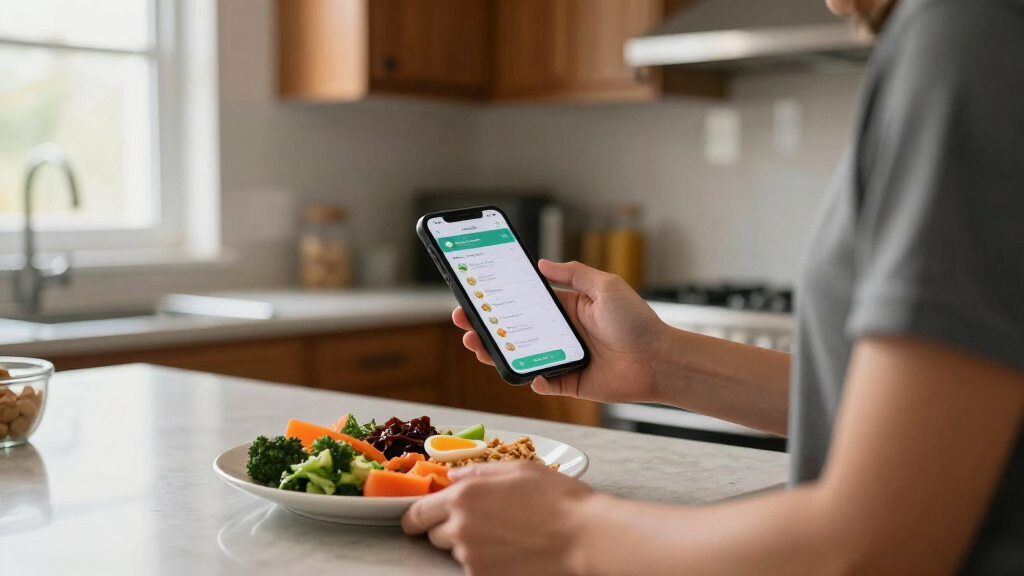
Products were evaluated based on core performance factors including ease of use, database comprehensiveness, customization options, and platform stability. We also considered the value offered by free versus paid versions, as well as how well each app supports different dietary goals such as macro tracking or calorie counting. Our ranking favors apps that provide a balanced mix of usability and depth, ensuring they are accessible to beginners while still offering enough features for more advanced users. Apps with frequent updates, positive user feedback, and cross-platform compatibility scored higher, reflecting their reliability and versatility.| nutrition tracking app | Format |
|---|---|
| Nutrition Log Book & Macro Tra | — |
| 90-Day A5 Food and Fitness Jou | Undated |
| Nutrition Log Book: Health Mon | — |
| Nutrition Log Book & Macro Tra | — |
| Nutrition Log Book for Daily F | Log book |
| The Macro Nutrition Tracker: L | Practical journal |
| Nutrition Calorie Intake Track | Log book |
| Macros 101: Your Guide to Macr | Paperback or digital guide |
| Portion Control Made Simple: 9 | Food journal and nutrition tracker |
Factors to Consider When Choosing Nutrition Tracking Apps
Choosing the right nutrition tracking app depends on your specific goals and tech preferences. It’s important to consider how much detail you want in your tracking, your budget, and whether you need features like barcode scanning or integration with fitness devices. Making an informed choice involves weighing these factors against potential tradeoffs, such as simplicity versus depth or cost versus features. Here are some key considerations to help guide your decision:Ease of Use and Interface
An intuitive interface can make daily tracking less tedious, especially for beginners. Look for apps with clear navigation, minimal setup time, and straightforward food entry options. Apps that automate data entry through barcode scanning or photo recognition can save time but might sacrifice some accuracy. Consider your comfort level with technology and your willingness to learn more complex features, which can be a barrier for some users.
Database Size and Food Recognition
A large, accurate food database is essential for quick, reliable tracking. Apps with extensive food libraries and barcode support reduce manual entry and improve precision. However, bigger databases often require more storage and may slow down the app. Think about whether you prefer a highly detailed database or a more curated selection aimed at simplicity. Compatibility with popular food brands and restaurants can also make logging easier.
Customization and Tracking Depth
Some users need detailed macro and micronutrient tracking, while others prefer a simple calorie count. Choose an app that matches your dietary goals — for instance, macro-focused apps for athletes or weight-loss apps for casual users. Keep in mind that more advanced customization often comes with a steeper learning curve and higher price tags. Consider whether you need features like meal planning, goal setting, or nutrition insights, which can influence your overall experience.
Cost and Value
Many apps offer free versions that are sufficient for basic tracking, but premium plans unlock features like detailed analytics and personalized advice. Weigh the monthly or yearly subscription costs against the added benefits. Sometimes, investing in a premium app pays off for those with specific needs, but casual users might find free options perfectly adequate. Beware of apps with hidden fees or limited free trials, and look for transparent pricing.
Platform Compatibility and Integration
Consider whether the app works seamlessly across your devices—smartphones, tablets, or desktops—and if it integrates with wearables or other health apps. Cross-platform compatibility ensures you can log data wherever you are. Integration with fitness trackers can automate calorie and activity updates, providing a more complete picture of your health. Be aware that some apps lock features behind specific devices or operating systems, which could limit your flexibility.
Frequently Asked Questions
Can I use a free nutrition tracking app long-term without missing out on features?
Yes, many free apps provide enough features for regular use, especially for beginners or casual users. They typically include basic food logging, calorie counting, and simple macro tracking. However, as your needs grow—such as detailed nutrition analysis or personalized insights—you might find the free version limiting. Upgrading to a paid plan often unlocks more advanced features, but for many, free versions remain functional and effective for maintaining a healthy routine.
How important is it for an app to sync with fitness devices or wearables?
Syncing with fitness devices can significantly streamline your tracking process by automatically importing activity data, calorie expenditure, and other metrics. This reduces manual entry and helps create a more holistic view of your health. If you use a smartwatch or fitness tracker regularly, choosing an app with compatible integrations can save time and improve accuracy. Without synchronization, you may miss out on insights that connect your activity with your nutritional intake, potentially making your tracking less comprehensive.
Are macro-tracking apps worth the extra cost compared to calorie-only apps?
For individuals with specific dietary goals, such as athletes or those managing medical conditions, macro-tracking apps offer detailed insights into protein, carbs, and fats, which can be invaluable. They help optimize nutrition for performance or recovery, making the extra investment worthwhile. However, if your focus is simply monitoring calorie intake for weight management, simpler apps may suffice. Consider your goals and whether the added complexity aligns with your commitment level and budget.
What common mistakes should I avoid when choosing a nutrition app?
A common mistake is selecting an app that’s too complex or too simple for your needs, which can lead to frustration or neglect. Overestimating the importance of database size without considering usability can also backfire—an extensive database isn’t helpful if it’s cumbersome to navigate. Additionally, ignoring platform compatibility or missing out on integration features may reduce the app’s usefulness over time. Finally, not trying out free versions first can lead to investing in a premium product that doesn’t meet your expectations.
Is it better to focus on a single app or try multiple apps for different needs?
Sticking with one versatile app is generally more effective for consistency and ease of use. Many apps now combine food tracking with activity monitoring, insights, and community features, reducing the need for multiple tools. However, some users prefer specialized apps—such as a dedicated macro tracker or hydration log—and may switch between them for specific purposes. The key is to ensure that your chosen app aligns with your primary goals and that switching doesn’t complicate your routine or cause data fragmentation.
Conclusion
For general users seeking a reliable, user-friendly experience, MyFitnessPal remains the best overall choice. Those on a budget or new to tracking will appreciate free options like Nutrition Log Book & Macro Tracker Food Journal. Fitness enthusiasts or those with specific macro goals might find The Macro Nutrition Tracker worth the investment. Beginners should prioritize apps with simple interfaces and good support, while advanced users should consider apps that offer in-depth analytics and integrations. Ultimately, selecting the right app depends on your specific needs and willingness to pay for features that support your health journey.
Fall Picks
fall essentials
As an affiliate, we earn on qualifying purchases.