

To become a superworker, you need to develop AI skills alongside strong ethical foundations. Embrace continuous learning to stay current with emerging AI tools and protocols. Combine your technical expertise with an awareness of AI ethics, such as bias and data privacy, to use these technologies responsibly. By integrating these elements, you’ll position yourself as a trusted leader in your field. Keep exploring, and you’ll uncover how mastering AI can amplify your impact and future-proof your career.
Key Takeaways
- Develop technical AI skills like machine learning basics and data analysis to enhance productivity and adaptability.
- Emphasize ethical AI practices, including bias mitigation and data privacy, to build trust and credibility.
- Continuously update your knowledge on emerging AI tools and protocols for sustained relevance.
- Understand AI’s societal impacts, ensuring responsible use that promotes fairness and accountability.
- Integrate technical expertise with ethical awareness to become a trusted leader and innovator in the AI-driven workforce.

In today’s fast-paced world, becoming an AI-enhanced professional isn’t just an advantage—it’s a necessity. As AI continues to reshape industries, your ability to work alongside these technologies will determine your relevance and success. But with this transformation comes responsibility. AI ethics, which focuses on the moral implications of AI deployment, plays a pivotal role in guiding your actions. You must understand not only how to utilize AI tools effectively but also how to do so ethically. This means being aware of biases in algorithms, respecting data privacy, and ensuring fairness in your work. The future workforce will increasingly expect professionals to prioritize ethical AI practices, making your understanding of AI ethics a key differentiator.
Adopting AI-enhanced skills positions you to thrive in a competitive landscape. You’ll need to develop a mindset that embraces continuous learning, staying updated on emerging AI tools and protocols. As AI automates routine tasks, your role shifts toward more strategic, creative, and decision-making responsibilities. This evolution requires you to be proactive in acquiring new competencies, whether it’s mastering machine learning basics, understanding data analysis, or learning how to interpret AI-generated insights. The more familiar you are with AI’s capabilities and limitations, the better you can leverage its power without compromising ethical standards. Additionally, understanding the self-watering plant pots system can serve as a metaphor for efficient resource management and sustainable practices in your projects.
Embrace continuous learning to stay ahead and ethically harness AI’s evolving capabilities in your role.
Preparing for the future workforce also involves understanding the societal impacts of AI. You’ll need to navigate questions around job displacement, transparency, and accountability. By aligning your work with ethical principles, you help build trust with clients, colleagues, and the broader community. This trust is essential because AI’s potential to influence decision-making can have far-reaching consequences. Your role as an AI-empowered professional isn’t just about technical proficiency; it’s about fostering responsible AI use that benefits everyone. That means advocating for fair algorithms, avoiding bias, and promoting transparency in AI applications.
Ultimately, becoming an AI-enhanced professional means integrating technical skills with a strong ethical foundation. As the future workforce evolves, those who prioritize AI ethics will lead with integrity and innovation. You’ll not only stay relevant but also contribute positively to an AI-driven world. The key is to view AI as a tool that amplifies your capabilities—when used responsibly. By balancing technical mastery with ethical awareness, you’ll position yourself as a true superworker, ready to meet the challenges and opportunities of tomorrow’s workplace.

Thames & Kosmos Simple Machines Science Experiment & Model Building Kit, Introduction to Mechanical Physics, Build 26 Models to Investigate The 6 Classic Simple Machines
Through 26 model-building exercise, gain hands-on experience with gears and all six classic simple machines: wheels and axles,…
As an affiliate, we earn on qualifying purchases.
As an affiliate, we earn on qualifying purchases.
Frequently Asked Questions
How Can Beginners Start Integrating AI Tools Into Their Work?
To start integrating AI tools into your work, focus on AI onboarding by exploring beginner-friendly options like chatbots or data analysis apps. Begin with tool selection by identifying tasks you want to improve, then choose tools that match your needs and skill level. Practice regularly, stay curious, and seek tutorials or communities for support. This approach helps you build confidence and efficiently incorporate AI into your daily routine.
What Are Common Challenges Faced When Becoming an Ai-Empowered Professional?
Imagine traversing a maze of glowing AI interfaces, but you stumble over skill gaps and ethical dilemmas. You might feel overwhelmed, unsure how to balance innovation with responsibility. Common challenges include bridging knowledge gaps, understanding ethical implications, and trusting AI outputs. Staying adaptable and proactive helps you overcome these hurdles, transforming confusion into confidence as you grow into an AI-empowered professional.
How Does AI Impact Job Security Across Different Industries?
AI-driven automation can threaten your job security by causing job displacement in various industries. As AI takes over routine tasks, some roles may become obsolete, making it essential for you to adapt and develop new skills. However, AI also creates opportunities for growth and innovation. By embracing AI, you can stay ahead of automation’s impact, ensuring your career remains resilient and valuable in a changing job landscape.
What Skills Are Essential for Future-Proofing an Ai-Enhanced Career?
You need to master future skills like critical thinking, emotional intelligence, and tech literacy, or risk being left behind. But here’s the twist—your adaptability strategies matter most. Embrace continuous learning, stay curious, and develop a growth mindset. These skills and strategies will keep you resilient, allowing you to thrive in an AI-enhanced career. The key is staying agile—your success depends on it.
How Can Professionals Maintain Ethical Standards While Using AI Tools?
You can uphold ethical standards by prioritizing AI ethics and respecting privacy concerns. Always evaluate how AI tools handle data, guaranteeing transparency and fairness. Stay informed about emerging regulations and best practices, and advocate for responsible AI use within your organization. By actively promoting ethical guidelines and safeguarding privacy, you help build trust and ensure AI benefits everyone without compromising integrity or individual rights.
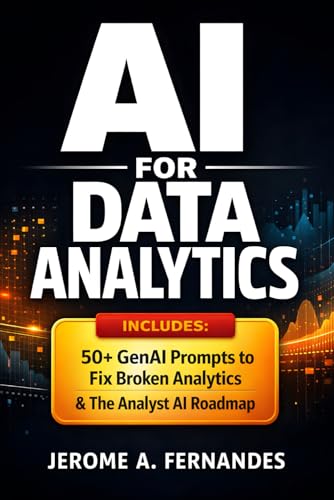
AI for Data Analytics: A Practical Guide to Applying Machine Learning and Generative AI for Better Decisions
As an affiliate, we earn on qualifying purchases.
As an affiliate, we earn on qualifying purchases.
Conclusion
As you embrace the power of AI, remember the myth of Icarus—balance is key. Soar high with innovation, but stay grounded in your skills and values. The superworker isn’t just about technology; it’s about harnessing tools wisely to elevate your potential. By doing so, you become the master of your own odyssey, forging a path where human ingenuity and AI work together—creating a future as limitless as the horizon.

Google Machine Learning and Generative AI for Solutions Architects
As an affiliate, we earn on qualifying purchases.
As an affiliate, we earn on qualifying purchases.

Jeimier 5 Sizes Bias Tape Makers, Upgraded Bias Binding Tape Making Tool for Fabric Quilting Sewing, Quickly Customize, Solidly Bias Quilting Tool, 1/4IN 3/8IN 1/2IN 3/4IN 1IN
QUICKLY MAKE BIAS BINDING: The Jeimier 5 sizes professional Bias Tape Makers out of any fabric to match…
As an affiliate, we earn on qualifying purchases.
As an affiliate, we earn on qualifying purchases.