To influence change at scale, get involved in climate policy and activism. Support measures like carbon taxes and advocate for renewable energy. Participate in community events, protests, and contact your representatives to push for stronger climate actions. Grassroots efforts build momentum, making your voice heard by policymakers. Your ongoing commitment can help shape meaningful policies, boost public awareness, and hold industries accountable. If you stay engaged, you’ll discover more ways to make a lasting impact.
Key Takeaways
- Grassroots mobilization raises public support, influencing policymakers to implement stronger climate policies.
- Public participation in advocacy efforts pressures governments to adopt meaningful climate actions.
- Policy tools like carbon taxes create economic incentives for cleaner energy adoption at scale.
- Collective activism amplifies the impact of individual actions, driving systemic change.
- Engaging with policy through campaigns and community events fosters accountability and policy reforms.

Climate policy and activism have become essential drivers in the fight against global warming. When you get involved, you help shape policies that can reduce greenhouse gas emissions and push governments to take meaningful action. One of the most effective tools in this effort is carbon taxation, which puts a price on carbon emissions, encouraging businesses and individuals to cut back on fossil fuel use. By supporting policies that implement carbon taxes, you can help create financial incentives for cleaner energy solutions and make polluters bear a fairer share of the environmental costs. Your voice matters in advocating for these policies, especially as they often face resistance from industries concerned about economic impacts. Grassroots mobilization plays a pivotal role here—you can organize community events, participate in protests, or even start online campaigns to raise awareness and influence policymakers. When you mobilize locally, your efforts resonate nationally and globally, demonstrating widespread public support for climate action. These grassroots movements can sway elected officials, pressuring them to prioritize climate-friendly policies like carbon taxation. Your involvement not only amplifies the message but also builds a sense of collective responsibility, making climate change a shared goal rather than just a distant issue. As you engage with local groups or environmental organizations, you learn how to communicate climate science effectively and motivate others to join the cause. The power of grassroots mobilization lies in its ability to create momentum, turning individual voices into a formidable collective force. This collective pressure often results in tangible policy changes, such as stricter emission standards or incentives for renewable energy. Supporting or initiating campaigns that focus on carbon taxation and community-driven action helps bridge the gap between policy and public demand. When you attend town hall meetings or contact your representatives, you remind policymakers that climate change is a priority for their constituents. Your participation also encourages transparency and accountability, ensuring governments follow through on commitments to reduce emissions. The combination of strategic policy advocacy, like endorsing carbon taxes, and grassroots mobilization adds up to a powerful movement capable of influencing change at scale. You become part of a broader network pushing for systemic shifts that prioritize sustainability and environmental justice. Your actions, whether big or small, contribute to a larger chorus demanding urgent climate policies. Additionally, understanding the importance of contrast ratio can help you advocate for better home theater setups that support the visual clarity needed for educational and awareness campaigns. Ultimately, your involvement helps turn climate activism from isolated protests into sustained political momentum, creating real, lasting change in how our societies address global warming.
carbon tax support advocacy kit
As an affiliate, we earn on qualifying purchases.
As an affiliate, we earn on qualifying purchases.
Frequently Asked Questions
How Do Grassroots Movements Impact National Climate Legislation?
Grassroots movements impact national climate legislation through strong community engagement and policy advocacy. You can organize local campaigns that raise awareness and build public support, pressuring lawmakers to act. By mobilizing citizens, you create a powerful voice that influences policymakers. Your efforts help shape laws that prioritize climate action, making legislation more responsive to community needs. This bottom-up approach guarantees that national policies reflect grassroots concerns and drive meaningful change.
What Role Do International Treaties Play in Local Climate Policies?
You might not realize it, but international treaties shape your local climate policies more than you think. They foster international cooperation, setting global standards and commitments. Yet, the real challenge lies in treaty enforcement; without it, these agreements risk becoming mere words. When nations uphold their promises, your community benefits from stronger, unified climate action, turning global efforts into tangible local change.
How Can Individuals Measure Their Activism’s Effectiveness?
You can measure your activism’s effectiveness by tracking your carbon footprint reduction over time and noting any policy influence you contribute to. Keep a journal of your actions, like petitions or community events, and see if they lead to tangible changes. Engage with local or online groups to gauge their impact and stay informed about policy shifts. Your consistent effort helps shape policies and lowers your environmental impact.
What Are the Biggest Barriers to Implementing Large-Scale Climate Change Policies?
Imagine trying to turn a massive ship; it takes time and effort. Policy inertia and political resistance act like that ship’s weight, slowing progress. Big barriers include entrenched interests, conflicting priorities, and fear of economic impacts. These factors create resistance, making it tough to implement large-scale climate policies quickly. Overcoming these obstacles requires persistent advocacy, strategic negotiation, and building broad support to steer the ship toward meaningful change.
How Do Economic Interests Influence Climate Policy Decisions?
Economic interests heavily influence climate policy decisions through corporate lobbying and market incentives. You might find that powerful industries lobby against stricter regulations to protect profits, delaying meaningful change. Market incentives, like subsidies for fossil fuels or renewable energy, shape government priorities. By understanding how these economic forces operate, you can better advocate for policies that prioritize environmental sustainability over short-term financial gains.
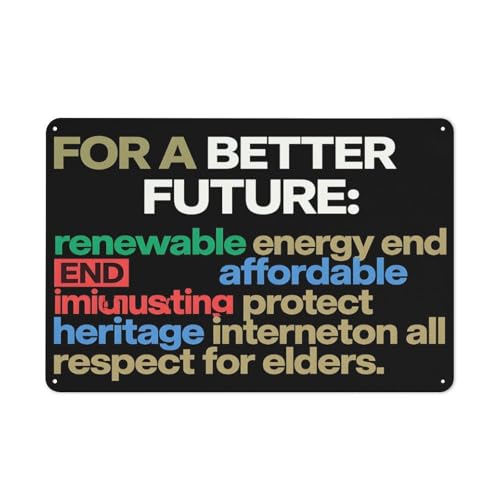
For A Better Future Renewable Energy Metal Tin Sign Sustainability Wall Art for Homes & Green Initiatives Aluminum Plaque to Promote Affordable Energy, Heritage Protection & Elder Respect, 8×12 Inch
📏 Ideal Size & Versatile Display Measuring an 8"" x 12"" perfect dimension, this metal sign fits seamlessly…
As an affiliate, we earn on qualifying purchases.
As an affiliate, we earn on qualifying purchases.
Conclusion
Now, it’s your turn to be the spark that ignites change. Your voice, your actions, and your passion can turn the tide of climate policy and activism. Remember, each small step is a ripple that creates waves of transformation. Will you stand by and watch, or will you seize the moment and make history? The power to shape our future is in your hands—dare to be the change you wish to see.

Resistance Made Easy: Printable Protest Posters to Color and Display for Everyday Activism – including Women’s Rights, Climate Justice, and More
As an affiliate, we earn on qualifying purchases.
As an affiliate, we earn on qualifying purchases.

Community Organizing and Community Building for Health and Social Equity, 4th edition
As an affiliate, we earn on qualifying purchases.
As an affiliate, we earn on qualifying purchases.