TL;DR

Get health and wellness essentials delivered free with Prime
- Fast, free delivery on millions of items
- Prime Video, Amazon Music and more included
- Member-only deals all year
An herb farmer and cosmetic formulator has highlighted calendula, green tea, fennel, hops and lavender as plants of interest for skincare, citing research on possible skin effects. The account is a practitioner’s report, not a new clinical study; the strength and relevance of evidence vary by herb and preparation.
A report published by Sixty and Me describes five herbs the author, an herb farmer and cosmetic formulator, grows or uses for skincare: calendula, green tea, fennel, hops and lavender. It summarizes research suggesting possible skin benefits while making clear that growing an herb or finding promising results for an extract does not by itself establish that a finished product will work for every user.
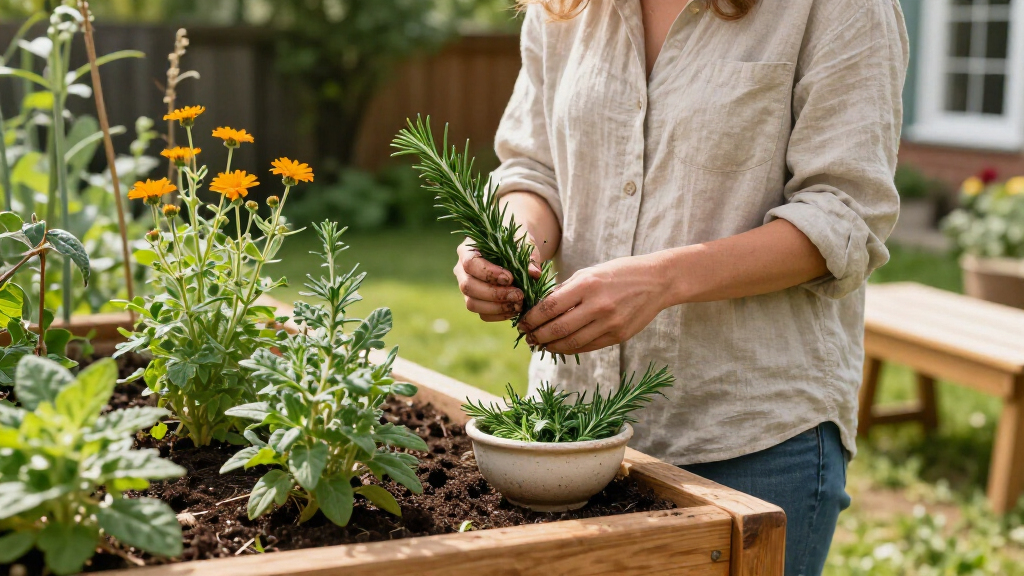
The author says calendula grows on the Colorado farm and points to studies reporting antioxidant and anti-inflammatory activity, as well as possible effects on wound healing and skin repair. Research has also reported changes in hydration, elasticity and pigmentation. These findings are about extracts and research settings; the report does not provide study details or claim that homegrown flowers treat a skin condition.
Green tea is the exception among the five: the author does not grow it because the Colorado climate is too cool for the plant. Its catechins, including EGCG, have been studied for antioxidant and anti-inflammatory effects. The report says topical preparations have been associated in research with changes in hydration, redness and signs of photoaging, but offers no specific trial sizes, formulations or effect estimates.
The other three plants are fennel, hops and lavender. The report cites research on fennel preparations and skin hydration, water loss, texture and pigmentation; and on hops preparations and hydration, redness, wrinkles and skin-supporting components. The author grows lavender and distills some into hydrosol, describing it as a way to soothe skin and support relaxation. The report notes that evidence for lavender’s effects on anxiety and sleep varies by preparation and circumstances.
What Local Herb Growing Can Change
The report links skincare ingredients to where and how they are produced, not only to their proposed effects on skin. The author says growing and processing some botanicals on the farm can shorten the supply chain and reduce packaging and transport associated with buying small quantities of prepackaged ingredients. The farm also uses what the author describes as regenerative agriculture and aims to protect the land it uses.
Those are the grower’s reasons for producing ingredients locally, rather than independently verified measures of environmental impact. The report supplies no figures for emissions, water use, land outcomes or savings. For readers, the distinction matters: a local ingredient may offer traceability, but claims about sustainability and skincare performance depend on how the plants are grown, processed and formulated.
The account also cautions against treating “natural” as a guarantee of effectiveness. Herbs contain complex compounds, and research on an extract may not apply directly to a different preparation or a finished cosmetic. The author frames the process as growing plants, understanding their chemistry and reviewing evidence before deciding whether they belong in a product.
As an affiliate, we earn on qualifying purchases.
From Garden Plant to Cosmetic Ingredient
The author writes from the perspective of both an herb farmer and cosmetic formulator, and says several of the featured plants are grown at Colorado Aromatics. The report is a first-person overview of plants the author finds useful, not a newly published scientific investigation or an announcement of a new product.
Its research references are described in broad terms. The article mentions studies of extracts, topical preparations and laboratory effects, but does not identify individual papers, methods, participant numbers or dates. That makes the report useful as a guide to the author’s interests, but not enough on its own to compare the quality of evidence across the five herbs.
As an affiliate, we earn on qualifying purchases.
Evidence Depends on Extract and Study
The report does not provide citations or enough study detail to assess how strong the evidence is for each claimed effect. It also does not establish whether findings from a particular extract, laboratory test or topical preparation translate to products made with different concentrations or methods.
No product trials, safety comparisons or guidance for people with allergies or sensitive skin are included. The piece does not claim that any herb cures a condition, and readers should not treat its research summary as medical advice. The environmental benefits of farm-grown ingredients are also not quantified in the source.
As an affiliate, we earn on qualifying purchases.
Questions for Formulators and Growers
The source does not announce a next study, product launch or other scheduled development. The practical next step for readers considering botanical skincare is to look for information about the specific ingredient and finished formulation, rather than relying on an herb’s name or traditional use alone. Product makers can clarify how an ingredient was extracted, what evidence supports the intended use and how supply-chain claims are measured.
Further research with clear methods and reported results would help readers judge whether findings for these herbs apply to real-world products. Until then, the article is best read as a farmer-formulator’s account of five plants of interest, with potential benefits that remain dependent on the preparation and evidence behind each claim.
As an affiliate, we earn on qualifying purchases.
Key Questions
Which five herbs does the report discuss?
It covers calendula, green tea, fennel, hops and lavender. The author says several grow on the Colorado farm, but does not grow green tea there because of the climate.
Does the report prove that these herbs improve skin?
No. It summarizes research reporting possible effects, but does not provide study citations or enough detail to assess the strength of evidence. Results for extracts or specific preparations may not apply to every finished product.
Why does the author grow skincare herbs?
The author says local growing and processing can shorten the supply chain and reduce packaging and transportation tied to buying prepackaged botanical ingredients. The report does not quantify those environmental effects.
Does the report recommend using herbs to treat a skin condition?
No. It is an overview of plants used or studied in cosmetic formulations, not medical advice or a treatment recommendation. The source does not establish that these herbs treat a condition.
Source: rss
Cold & flu season Picks
humidifiers
As an affiliate, we earn on qualifying purchases.