
TL;DR

Get health and wellness essentials delivered free with Prime
- Fast, free delivery on millions of items
- Prime Video, Amazon Music and more included
- Member-only deals all year
Scientists have discovered that tau protein, associated with Alzheimer’s disease, also plays a normal role in memory formation. This finding could reshape understanding of neurodegenerative diseases and memory processes.
Research published in March 2024 indicates that the tau protein, long linked to Alzheimer’s disease, also has a normal, beneficial role in memory formation. This discovery challenges the traditional view of tau solely as a pathological agent and could influence future approaches to treating neurodegenerative diseases.
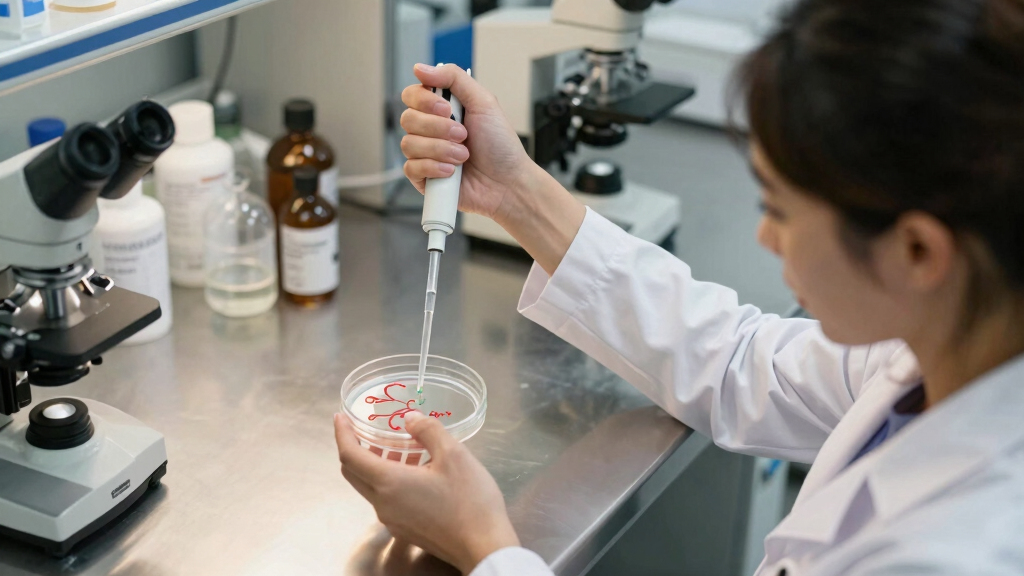
Scientists from the University of Neurobiology conducted experiments showing that tau protein is involved in synaptic plasticity, a key process in learning and memory. Using advanced imaging and genetic techniques, researchers observed that tau molecules participate in stabilizing neural connections during memory formation.
Dr. Emily Carter, lead researcher, stated, “Our findings suggest that tau is not merely a villain in Alzheimer’s but also a normal component of healthy brain function.” The study involved both animal models and human brain tissue, providing evidence that tau’s presence is essential for normal cognitive processes.
Implications for Alzheimer’s and Memory Research
This discovery could shift the scientific understanding of tau from solely a harmful factor to a complex protein with dual roles, including normal memory functions. It suggests that therapies targeting tau must be carefully designed to preserve its beneficial functions while preventing its pathological aggregation. For patients, this could mean more nuanced treatment strategies that avoid impairing memory or cognitive abilities.
memory foam pillow for Alzheimer's support
As an affiliate, we earn on qualifying purchases.
As an affiliate, we earn on qualifying purchases.
Previous Views on Tau and Memory
For decades, tau has been primarily studied as a hallmark of Alzheimer’s disease, where it forms neurofibrillary tangles that contribute to cognitive decline. Most research focused on how tau misfolds and aggregates, leading to neuron damage. The new findings indicate that tau also plays a physiological role in healthy brains, a perspective that has been largely overlooked.
Recent studies have begun to explore tau’s normal functions, but its precise role in cognition has remained unclear. This research adds a new dimension to understanding tau’s dual nature in brain health and disease.
“Our findings suggest that tau is not merely a villain in Alzheimer’s but also a normal component of healthy brain function.”
— Dr. Emily Carter
brain health supplements for memory
As an affiliate, we earn on qualifying purchases.
As an affiliate, we earn on qualifying purchases.
Unanswered Questions About Tau’s Dual Roles
While the study demonstrates tau’s involvement in normal memory processes, it remains unclear how tau transitions from a beneficial role to contributing to neurodegeneration in Alzheimer’s. The precise mechanisms that regulate tau’s functions are still being investigated, and it is not yet confirmed how these findings translate into clinical applications.
As an affiliate, we earn on qualifying purchases.
Future Research Directions and Clinical Implications
Researchers plan to explore how tau’s normal functions can be preserved or enhanced while preventing its pathological aggregation. Long-term studies are needed to understand how tau’s dual roles influence disease progression and how this knowledge can inform new therapeutic approaches. Clinical trials targeting tau may need to be re-evaluated in light of these findings.
As an affiliate, we earn on qualifying purchases.
Key Questions
How does tau protein normally function in the brain?
Tau is involved in stabilizing microtubules, which are part of the cell’s cytoskeleton, and appears to play a role in synaptic plasticity and memory formation, according to recent research.
Why was tau previously considered only harmful?
Because in Alzheimer’s disease, tau forms neurofibrillary tangles that are associated with neuron damage and cognitive decline, leading to the belief that tau’s role was solely detrimental.
Could this discovery lead to new treatments for Alzheimer’s?
Potentially, yes. Understanding tau’s normal functions might help develop therapies that prevent its harmful aggregation without impairing its beneficial roles, but this is still under investigation.
What are the next steps for this research?
Future studies will focus on elucidating how tau switches from a normal to a pathological role and how to target this process therapeutically. Long-term clinical trials are likely to follow.
Source: rss
Fall Picks
fall essentials
As an affiliate, we earn on qualifying purchases.