TL;DR

Get health and wellness essentials delivered free with Prime
- Fast, free delivery on millions of items
- Prime Video, Amazon Music and more included
- Member-only deals all year
A study in male mice found that reduced testosterone combined with fructose intake led to more liver fat than either factor alone. The researchers identified changes in gut bacteria and intestinal pyruvate, but the findings have not established that the same mechanism operates in people.
A study in male mice found that reduced testosterone combined with a fructose-rich diet increased liver fat more than either factor alone, with changes in gut bacteria and intestinal pyruvate pointing to a possible mechanism. The findings, published in the American Journal of Physiology-Endocrinology and Metabolism, do not show that the same effect occurs in people, but offer a lead for research into metabolic dysfunction-associated steatotic liver disease (MASLD).
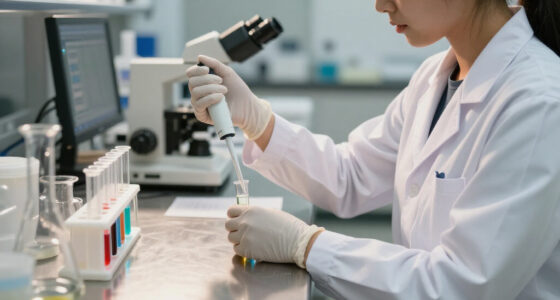
The research team, led by graduate student Hiroki Takahashi and Associate Professor Naoki Harada at the Graduate School of Agriculture, studied eight-week-old male mice divided into six groups. Some mice underwent castration to reduce testosterone; others had a sham operation. The groups received control or fructose conditions, with some also given antibiotics. Researchers examined liver tissue and cells, blood plasma, cecal organic acids and gut bacteria.
In the results described by the report, low testosterone and fructose together produced a stronger increase in liver triglycerides and fat accumulation than either exposure on its own. The combined exposure was also associated with heavier livers. That increase in liver weight was smaller in mice given antibiotics, a result that the researchers said was consistent with a role for gut microbes. Antibiotic treatment alone, however, does not establish which bacteria or biological process caused the change.
The team observed altered gut bacterial composition and liver gene activity, as well as higher pyruvate levels in the cecum of mice exposed to both reduced testosterone and fructose. In separate experiments, mouse-derived liver cells accumulated more neutral lipids when exposed to pyruvate and fructose together. These findings support a possible pathway linking gut changes to liver fat, but they do not by themselves confirm that pathway in living humans.
How the Combined Exposures May Matter
The study’s main contribution is evidence that hormone levels and diet may interact, rather than simply adding separate risks, in this mouse model. That matters to researchers studying MASLD, a condition involving excess fat in the liver and associated with factors including obesity, type 2 diabetes, low testosterone and high fructose consumption. The ScienceDaily report says the condition affects about 40% of adult men worldwide; that estimate is presented as background, not as a finding from this experiment.
The proposed role for gut bacteria and pyruvate may point researchers toward mechanisms to test in future work. It does not establish that reducing fructose, changing the microbiome or treating low testosterone would prevent or reverse fatty liver in people. The mouse results should not be treated as personal health guidance or as evidence for a particular treatment.
Products Worth Considering

Fitbit Versa 2 Health and Fitness Smartwatch with Bonus Bands

Blueair Blue Pure 511i Max Air Purifier for Home and Bedroom

Therabody SleepMask Blackout Eye Mask with Vibration
As an affiliate, we earn on qualifying purchases.
From Mouse Model to Human Questions
MASLD is the current name for a group of liver conditions characterized by excess fat in the liver in association with metabolic risk factors. Fructose occurs naturally in some foods and is also used in sweetened drinks and processed foods. The report describes previous associations between high fructose consumption and fatty liver, as well as associations involving low testosterone, but says how these factors interact has not been fully understood.
To examine that interaction, the researchers compared mice with reduced testosterone and control mice under different dietary and antibiotic conditions. They also tested liver cells outside the animals. This design allowed the team to examine several candidate links, but the study remains preclinical research: castration is a model of reduced testosterone, and isolated mouse cells cannot reproduce all the processes taking place in a human body.
“Changes in the gut microbiota led to increased levels of pyruvate within the intestine.”
— Hiroki Takahashi, graduate student and study lead
What Human Studies Must Establish
The report provides no evidence that the results have been confirmed in people. It remains unclear whether low testosterone and dietary fructose interact in humans in the same way, what levels or durations of exposure might matter, and whether intestinal pyruvate has a comparable role in human liver-fat accumulation. The source material also does not give the study’s sample sizes, detailed fructose doses or the full statistical results.
The antibiotic findings do not identify a specific bacterial species or prove that microbiome changes caused the increase in liver fat. The isolated-cell experiments suggest that pyruvate and fructose can act together under laboratory conditions, but further work is needed to connect those results to disease progression in whole animals and, eventually, people.
Further Tests of Pyruvate’s Role
Harada said the researchers plan to clarify how pyruvate contributes to triglyceride accumulation, with the longer-term aim of informing research on possible medicines and dietary prevention. The immediate next step is further testing of the proposed mechanism and whether it can be reproduced beyond the cell and mouse experiments described in the report.
For readers, the study does not establish a new clinical recommendation. Any future conclusions about human risk or prevention will depend on additional research, including studies that test whether the same relationship appears in people.
Key Questions
Did the study show that low testosterone makes sugar more harmful to human livers?
No. The reported experiments used male mice and liver cells taken from mice. Whether the same effect occurs in people remains unknown.
What did the researchers find when low testosterone and fructose were combined?
In the mouse experiments, the combination led to more liver fat than either reduced testosterone or fructose alone. The researchers also observed changes in gut bacteria and higher intestinal pyruvate.
What is pyruvate, and why is it part of the study?
Pyruvate is a compound involved in energy metabolism. The researchers found higher cecal pyruvate in mice exposed to both reduced testosterone and fructose, and mouse liver cells accumulated more neutral lipids when exposed to pyruvate and fructose together.
Does the study show that antibiotics or a diet change can prevent fatty liver?
No. Antibiotics were part of the mouse experiment, and the results do not establish a prevention strategy for people. The study does not provide clinical advice or show that changing diet or taking antibiotics would prevent or treat MASLD.
Source: sciencedaily.com