TL;DR

Get health and wellness essentials delivered free with Prime
- Fast, free delivery on millions of items
- Prime Video, Amazon Music and more included
- Member-only deals all year
A MedPage Today cardiovascular roundup published October 6 reported research on isometric exercise, drug-coated balloons for peripheral artery disease and semaglutide in obesity-associated HFpEF. The exercise finding came from a randomized study, the balloon comparison was small and showed no material difference in key 12-month outcomes, and the semaglutide result was preclinical—not evidence of benefit in patients.
MedPage Today reported October 6 on several cardiovascular research developments: a randomized study found that isometric exercise such as squats and planks was best performed three times weekly for short-term blood-pressure benefits; a small trial compared two drug-coated balloons for severe peripheral artery disease; and a preclinical study suggested semaglutide could be a plausible treatment for obesity-associated heart failure with preserved ejection fraction, or HFpEF. The findings are at different stages of evidence, and the semaglutide result does not establish benefit in people.
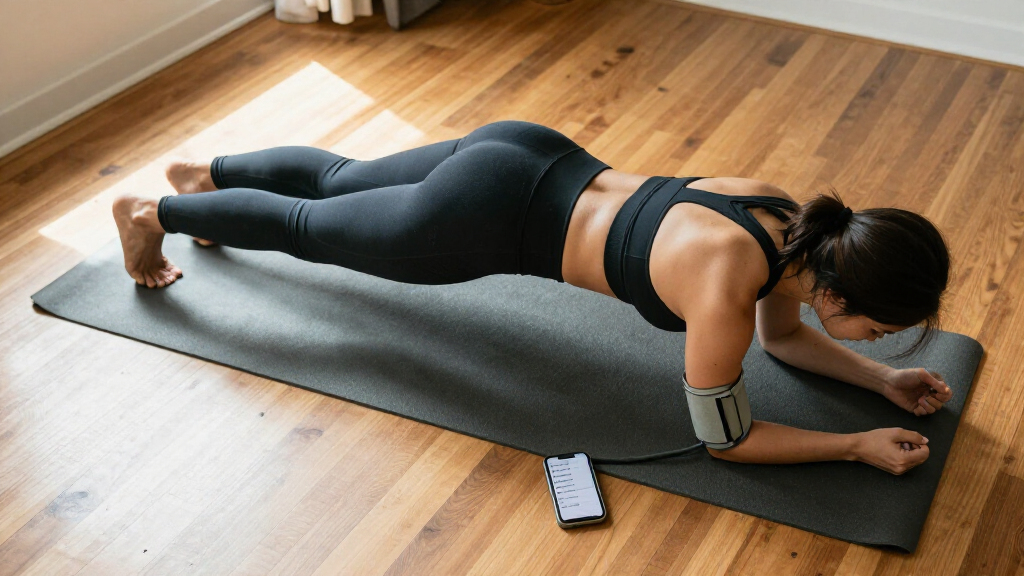
The exercise study, published in BMJ Open Sport & Exercise Medicine, examined isometric training—exercises in which muscles contract while the body holds a position, including squats and planks. The report said the randomized study found the approach was best done three times a week for short-term blood-pressure lowering. The supplied report does not give the size of the blood-pressure change, the number of participants or how long the benefit lasted, so the result should not be read as evidence of a lasting effect.
A separate small trial, published in the Journal of the American Heart Association, compared sirolimus- and paclitaxel-eluting drug-coated balloons in endovascular treatment of severe peripheral artery disease. The sirolimus balloon performed better on restoring endothelial function, but the report said this did not materially change 12-month patency or target lesion revascularization rates. The comparison therefore showed a difference in a vascular-function measure, not a clear advantage on those reported clinical outcomes.
For HFpEF, a study in the European Heart Journal described semaglutide—marketed as Ozempic and Wegovy—as a plausible therapy for obesity-associated cardiometabolic disease. The finding was preclinical. It points to a research possibility, not proof that semaglutide reverses HFpEF or improves outcomes in patients. The roundup also included an American College of Cardiology scientific statement recommending a balanced diet centered on minimally processed plant foods and healthy sources of fats and proteins.
Three Findings, Three Evidence Levels
The items matter because they address different points in cardiovascular care: a possible exercise routine for blood-pressure management, device selection for severe peripheral artery disease, and a potential drug pathway for a form of heart failure commonly linked with obesity. But the evidence cannot be treated as interchangeable. The exercise result came from a randomized study and concerns a short-term measure; the balloon trial was small and did not show material differences in the reported 12-month patency and revascularization outcomes; the semaglutide work was preclinical.
For readers, that distinction guards against turning early or limited findings into treatment promises. The research may inform future trials and clinical discussion, but the roundup does not report that any of these results changed practice guidelines or established a new standard of care. In particular, the HFpEF finding needs testing in people before it can support conclusions about treatment benefit.
isometric exercise squat and plank equipment
As an affiliate, we earn on qualifying purchases.
As an affiliate, we earn on qualifying purchases.
Where the Studies Stand
The October 6 roundup assembled developments from several publications rather than reporting one new guideline or a single large clinical trial. Alongside the three featured topics, it summarized work on atrial fibrillation, aortic valve imaging, coronary interventions, vascular procedures and cardiovascular risks associated with other conditions. Its format is a snapshot of emerging research, not a systematic review of the field.
The distinctions in study design are central to interpreting the three findings. A randomized exercise study can assess an intervention under the conditions tested, but the supplied report gives limited details about its participants and duration. A small device trial can compare measures between balloon types but may not settle differences in patient outcomes. A preclinical study can provide a rationale for further investigation, but it cannot establish whether a therapy is safe or effective for people with HFpEF.
“Isometric exercise training — such as squats and plank exercises — was best done three times a week for short-term blood pressure-lowering benefits.”
— MedPage Today, summarizing the randomized isometric-exercise study
As an affiliate, we earn on qualifying purchases.
Limits of the Available Evidence
The supplied report does not provide the exercise trial’s participant count, exact blood-pressure changes, follow-up period or information on how durable the effect was. For the balloon comparison, it identifies the trial as small but does not give enrollment figures, detailed safety results or enough information to judge whether the endothelial-function difference affects longer-term outcomes. The reported 12-month findings do not establish whether later results differ.
For semaglutide, the key unanswered question is whether the preclinical finding translates into meaningful benefit and acceptable safety in people with obesity-associated HFpEF. The roundup does not specify the experimental model or report a clinical trial. It also does not say whether the three-times-weekly exercise schedule applies broadly across patient groups. These reports alone cannot answer how individuals should change their exercise or treatment plans.
resistance bands for isometric exercises
As an affiliate, we earn on qualifying purchases.
As an affiliate, we earn on qualifying purchases.
Evidence Needed Before Practice Changes
Further clinical research would be needed to establish the duration and size of any blood-pressure benefit from isometric training and to identify who is most likely to benefit. For the balloons, larger studies and longer follow-up could clarify whether the endothelial-function difference leads to differences in patient outcomes. For semaglutide, the next meaningful step would be clinical investigation in people with HFpEF, with outcomes and safety assessed directly; the source report does not announce a specific trial or timetable.
Until such evidence is available, the roundup’s findings are best understood as research updates rather than instructions to start or stop a treatment. Patients considering changes to exercise or medication should discuss them with a qualified health professional.
As an affiliate, we earn on qualifying purchases.
Key Questions
What did the exercise study report?
The randomized study reported that isometric exercises such as squats and planks were best done three times a week for short-term blood-pressure lowering. The source summary does not give the size or duration of the effect.
Did one drug-coated balloon work better overall?
In a small trial for severe peripheral artery disease, the sirolimus-eluting balloon performed better on restoring endothelial function. The report said this did not materially change patency or target lesion revascularization rates at 12 months.
Has semaglutide been shown to treat HFpEF?
No. The reported finding was preclinical and described semaglutide as a plausible therapy for obesity-associated HFpEF. It does not show that the drug reverses the condition or improves outcomes in people.
Do these findings change current treatment guidance?
The roundup does not report a change to treatment guidelines or a new standard of care based on these studies. The findings have differing evidence levels and need further assessment before conclusions about practice changes.
Source: rss
Cold & flu season Picks
humidifiers
As an affiliate, we earn on qualifying purchases.