

Physical activity substantially strengthens your mind-body connection by reducing stress, boosting your mood, and improving sleep quality. When you move regularly, your body releases endorphins that lift your spirits and help you manage negative emotions more effectively. Exercise also fosters mindfulness, helping you stay present and calm. Over time, these benefits build emotional resilience, supporting your mental wellness. Keep going, and you’ll discover even more ways movement can enhance your overall health and happiness.
Key Takeaways
- Physical activity reduces stress by lowering cortisol levels and promoting relaxation, supporting mental wellness.
- Exercise releases endorphins, which elevate mood and combat anxiety and depression.
- Regular movement improves sleep quality, enhancing mental clarity and emotional stability.
- Movement practices like yoga foster mindfulness, helping manage negative emotions and build emotional resilience.
- Engaging in physical activity creates a cyclical benefit, strengthening both physical health and mental emotional resilience.

Have you ever wondered how your thoughts and feelings influence your physical health? The mind and body are deeply connected, and understanding this link can transform the way you approach your overall well-being. When you engage in physical activity, you’re not just working your muscles; you’re also nurturing your mental health. Regular movement helps reduce stress, which is a major factor affecting both your mind and body. When you’re stressed, your body releases hormones like cortisol, which can lead to inflammation, fatigue, and even weaken your immune system. By incorporating consistent exercise into your routine, you actively promote stress reduction, helping your body to relax and recover more efficiently. This reduction in stress levels doesn’t just make you feel better emotionally; it has tangible effects on your physical health, decreasing the risk of chronic diseases such as heart disease and hypertension.
Regular exercise reduces stress, boosts mental health, and lowers risk of chronic diseases.
Beyond stress reduction, physical activity boosts your emotional resilience—the ability to bounce back from life’s setbacks. When you move your body regularly, your brain releases endorphins, often called the body’s natural feel-good chemicals. These endorphins elevate your mood, combat feelings of anxiety and depression, and give you a more optimistic outlook. Over time, as you make exercise a habit, you build emotional resilience, making it easier to handle stressors and emotional challenges that come your way. This resilience enhances your overall mental wellness, creating a positive feedback loop where feeling better emotionally encourages you to stay active, which in turn reinforces your physical health. Additionally, engaging in physical activity can improve sleep quality, which is crucial for maintaining mental wellness and physical health.
Moreover, physical activity encourages mindfulness and a sense of accomplishment, reinforcing your mental strength. When you focus on your movements—whether it’s running, yoga, or even walking—you become more aware of your body and your thoughts. This mindful awareness can help you manage negative emotions more effectively and cultivate a sense of calm. In this way, exercise becomes a powerful tool for fostering emotional resilience, enabling you to face stressors with greater ease. As your mental wellness improves, so does your body’s ability to heal and maintain itself. Your immune system benefits from reduced stress and enhanced mood, making you less susceptible to illness.
Ultimately, engaging in physical activity creates a harmonious cycle where your mental and physical health support each other. Stress reduction and emotional resilience are key components of this connection, helping you feel more energized, balanced, and healthy. Recognizing how your thoughts and feelings influence your physical health empowers you to take control and make choices that nurture both your mind and body. When you prioritize movement, you’re not just improving your physical fitness—you’re investing in your mental wellness as well, creating a stronger, more resilient you. Furthermore, understanding the trustworthiness of AI models can help you better evaluate digital health tools and resources that support your wellness journey.
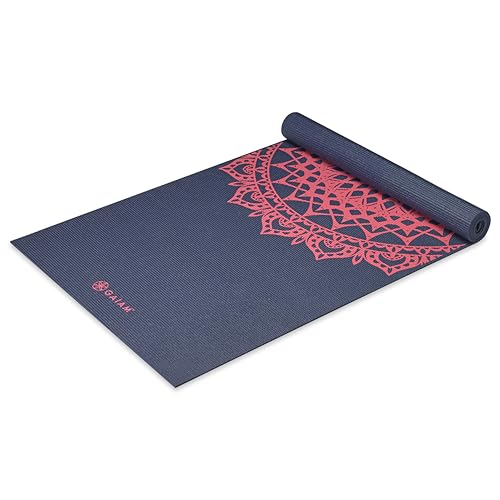
Gaiam, Yoga Mat 4 Mm Pink Marrakesh
LIGHTWEIGHT YOGA MAT: These durable, yet extremely lightweight exercise yoga mats give you just the right amount of…
As an affiliate, we earn on qualifying purchases.
As an affiliate, we earn on qualifying purchases.
Frequently Asked Questions
Can Specific Exercises Target Mental Health Improvements?
Yes, specific exercises can target mental health improvements. Exercise specificity matters; activities like yoga and aerobic workouts are proven to boost mood and reduce anxiety. When you choose exercises with a mental health focus, you engage your mind and body simultaneously, enhancing overall well-being. Incorporate these targeted routines into your schedule to experience greater mental clarity, stress relief, and emotional resilience.
How Long Does It Take to See Mental Health Benefits From Exercise?
You can start noticing mental health benefits from exercise within a few days to a couple of weeks. The mental health timeline varies based on exercise duration and frequency, but even 20-30 minutes of moderate activity three times a week can boost your mood and reduce stress. Consistency is key, so stick with your routine to see sustained improvements over time, often within 2-4 weeks.
Are Certain Activities Better for Mental Wellness Than Others?
You’re often better off trying activities that suit your personality and goals. Mindfulness meditation helps calm your mind, reduce stress, and boost mood, making it a great choice. Social sports, on the other hand, combine physical activity with social connection, which can lift your spirits. Both are effective, so choose what resonates most—sometimes, the best activity is the one you’ll actually stick with.
Does Physical Activity Influence Brain Chemistry Directly?
Yes, physical activity directly influences your brain chemistry by triggering neurotransmitter release, such as endorphins and serotonin, which boost your mood. It also promotes hormonal regulation, including cortisol and adrenaline, helping reduce stress and anxiety. When you exercise regularly, these chemical changes improve your mental wellness, making you feel happier and more relaxed. So, staying active isn’t just good for your body; it also profoundly impacts your brain chemistry.
Can Exercise Replace Traditional Mental Health Treatments?
While exercise can boost mental health, it shouldn’t replace traditional treatments. Studies show that physical activity improves mood and reduces anxiety, but meditation benefits like stress reduction and mindfulness are also essential. Your diet impacts brain chemistry too; nutritious foods support mental well-being. Combining regular exercise with meditation and a balanced diet provides an all-encompassing approach to mental health, making it more effective than relying solely on one method.

AI TIDE Carbon Plate Marathon Running Racing Shoes Men Stable Support Shock-Relief Ultra-Light TPU Outsole Rebound Sneakers Size 10
【Breathable upper】The upper of the sneakers is spliced with multi-color flying-woven tatting materials to enhance air permeability and…
As an affiliate, we earn on qualifying purchases.
As an affiliate, we earn on qualifying purchases.
Conclusion
Remember, your body is the vessel carrying your mind’s light. When you move, you ignite that flame, fueling your mental wellness like a rising sun breaking through darkness. Every step you take, every breath you draw, stitches together the fabric of your mind and body, creating a tapestry of resilience and clarity. Embrace this dance of movement and thought—your physical activity is the key to accessing the limitless potential within you.

yescool Weighted Blanket for Adults (20 lbs, 60” x 80”, Grey) Cooling Heavy Blanket for Sleeping Perfect for 190-210 lbs, Queen Size Breathable Blanket with Premium Glass Bead, Machine Washable
🌙【CHOOSE RIGHT WEIGHT】: Weighted blanket which owns 7%- 10% of your body weight is recommended. For example, a…
As an affiliate, we earn on qualifying purchases.
As an affiliate, we earn on qualifying purchases.
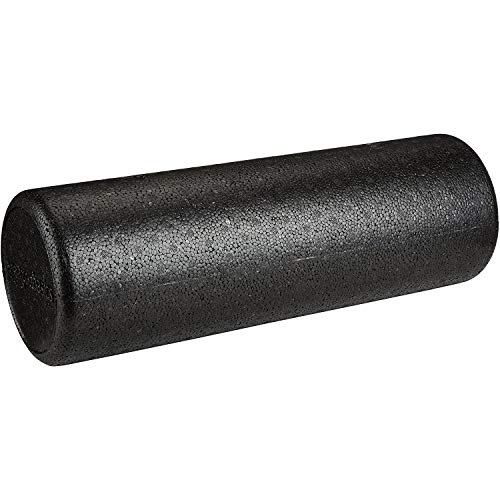
Amazon Basics High-Density Foam Roller for Exercise and Recovery, 18 Inches, Black
High-density foam roller in Black
As an affiliate, we earn on qualifying purchases.
As an affiliate, we earn on qualifying purchases.